[U.S. Market Brief] Nasdaq Hits Record High on 2.26% Rally as Chip Leadership Shifts to Intel and AMD
September 21, 2026 (local time) saw U.S. markets close at fresh records: the Dow rose 0.71%, the S&P 500 climbed 1.49%, and the Nasdaq surged 2.26%. The broad rally pushed the Nasdaq from 26,522 to 27,122 in a single session, yet the day's semiconductor strength came from an unexpected source—not Nvidia, but Intel and its CPU peers.
Intel jumped over 12% in a single day, and AMD crossed the $1 trillion market-cap threshold for the first time. Arm Holdings also surged over 13%. Yet Nvidia, which boasts a far larger market capitalization than all three, gained just 2.30%—a notably smaller advance. The day reversed the usual hierarchy. What drove this shift? And what does it mean for domestic semiconductor and export stocks? Here's what happened.
U.S. Markets Close—Nasdaq Hits Record High
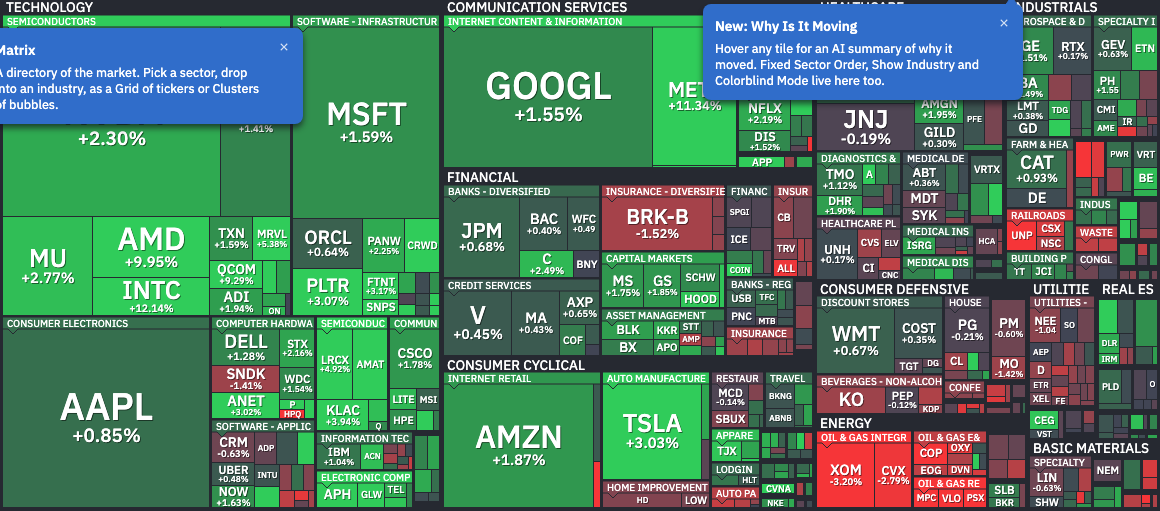
Overnight market snapshot: S&P 500 heat map (finviz U.S. color scheme: green = gains, red = losses)
Market closes for September 21:
| Index | Close | Change |
|---|---|---|
| Dow Jones | 52,048.83 | +0.71% |
| S&P 500 | 7,764.70 | +1.49% |
| Nasdaq Composite | 27,122.09 | +2.26% |
The Nasdaq closed at a record high, and the Dow extended gains for a third straight session. Three factors drove the rally: strength in semiconductor and AI-related shares, crude falling below $100 per barrel, and rising optimism ahead of the U.S.-China summit scheduled for Thursday, September 24.
Philadelphia Semiconductor Index (SOX)—CPU Stocks, Not Nvidia, Lead the Way
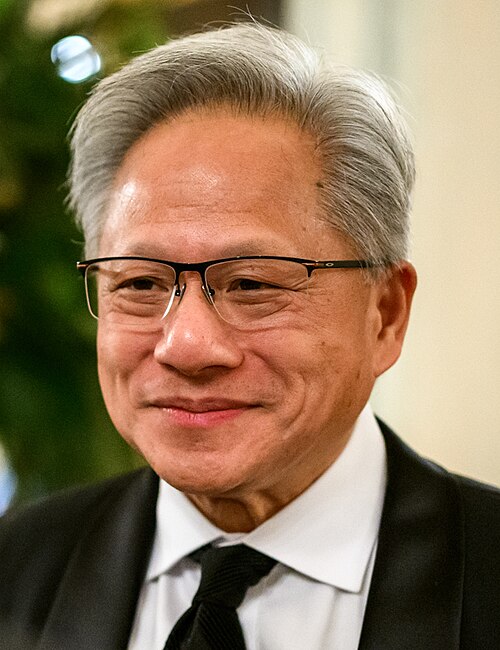
Jensen Huang, CEO of Nvidia. The company gained 2.30% on the day, trailing Intel and other CPU makers in the semiconductor group.
The Philadelphia Semiconductor Index (SOX) climbed over 3%, but the composition of gains tells a strikingly different story. The catalyst was Meta's new AI assistant app called "Muse," which reached the top of Apple's free app charts after launching September 8. That success—a signal that AI agents are finding real commercial traction—redirected investor focus from GPUs back to CPUs.
The results were striking. Intel surged over 12%, Arm Holdings jumped over 14%, and AMD crossed $1 trillion in market cap for the first time, rising 9-10%. All three are CPU and chip-design companies. By contrast, Nvidia—shorthand for GPU dominance—gained just 2.30%, a single-digit advance. One semiconductor rally, but leadership shifted completely.
Why does this matter? Samsung Electronics and SK Hynix, South Korea's semiconductor blue chips, manufacture memory, not CPUs. Yesterday's gainers won't directly lift demand for D-RAM or NAND flash. Still, the SOX index itself rose over 3%, signaling renewed appetite for the semiconductor sector broadly. That tailwind could reach Korean chip stocks. Indeed, South Korea's semiconductor exports surged 259.4% year-over-year from September 1-20—a substantial jump that reflects distinct fundamentals from the U.S. CPU rally but confirms that memory demand itself is already visible.
Rates, Currency, Oil—Crude Falls Below $100

Oil prices fell to the low $90s per barrel, breaking below the $100 level.
The 10-year U.S. Treasury yield edged down near the 5% level—modest relief from the prior week, when yields climbed back above 5% and capped market gains.
Crude oil finished in the low $90s per barrel, breaking below $100. Despite lingering Middle East supply concerns, prices fell on expectations of diplomatic resolution. The U.S.-China summit scheduled for September 24 and the U.N. General Assembly this week have eased geopolitical tensions. Lower oil supports equities by reducing inflation pressure.
On the currency side, the yen remains weak. The Bank of Japan raised its policy rate last week but offered limited hawkish guidance, leaving the yen unable to gain ground. For reference, the Korean won closed at 1,381 per dollar at 3:30 p.m. Korean time on September 21—a slight decline amid caution over yen intervention.
Bitcoin climbed to the mid-$86,000 range (+6.99%), hitting an eight-month high. Risk assets broadly attracted inflows.
Overnight Asia Markets—KOSPI Reclaims 7,000
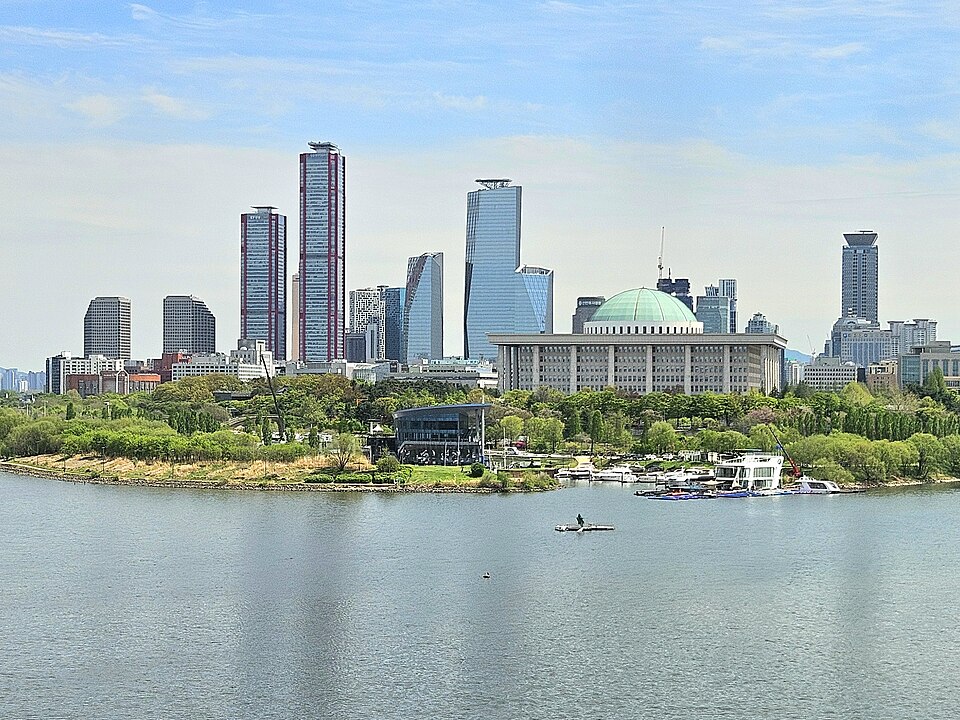
Seoul's securities district, Yeouido. KOSPI reclaimed the 7,000 level for a second consecutive session on September 21.
Korea's markets were already in positive territory as the U.S. opened. KOSPI closed up 1.65% (+113.49 points) at 7,007.72, reclaiming the 7,000 mark for a second straight session on institutional net buying, semiconductor strength, and export tailwinds. KOSDAQ rose 1.11% on retail buying, extending a five-session winning streak.
China's Shanghai Composite added 0.97% to close at 3,949.91 on U.S.-China summit optimism, while Taiwan's weighted index climbed 1.14% on semiconductor strength, extending gains for a fourth consecutive session. Japan was closed for a national holiday.
In summary, KOSPI reclaimed 7,000 on its own momentum—export strength and institutional demand—before the U.S. market opened. The Nasdaq's record close and broader semiconductor tailwind layered additional support.
What to Watch Today
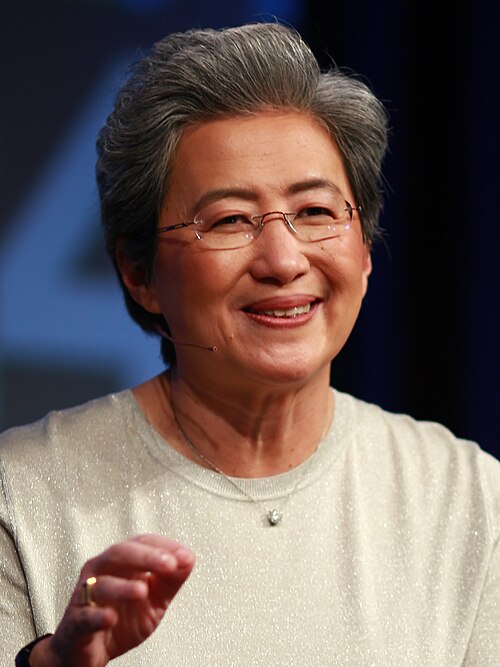
Lisa Su, CEO of AMD. AMD crossed the $1 trillion market-cap milestone for the first time overnight.
A few signals merit close attention. First: how Samsung Electronics and SK Hynix respond to the CPU stock rally. Korean chip makers yesterday cautioned that while memory prices have risen, inventories remain heavy. The tug-of-war between inventory burden and SOX momentum will shape today's direction in memory-chip leaders.
Second: watch export and construction stocks ahead of the U.S.-China summit on September 24. Yesterday's oil decline was rooted in summit hopes, and additional tailwinds may flow into Korean markets as the meeting nears. Domestic media yesterday reported that a major U.S. investment announcement could be imminent. Today will show whether construction and infrastructure names respond to the tightening summit timeline.
Third: track the won-dollar exchange rate. The yen continues to weaken. Whether the won moves in tandem or sustains yesterday's decline (won strength) will influence foreign-investor flows.
That said, none of these are settled conclusions—only variables to monitor. KOSPI has already reclaimed 7,000 on its own strength. Last night's U.S. close provided additional tailwinds. President Lee Jae-myung begins an official U.N. General Assembly visit and Mexico trip today, and markets will watch for a potential Trump meeting.
In Summary
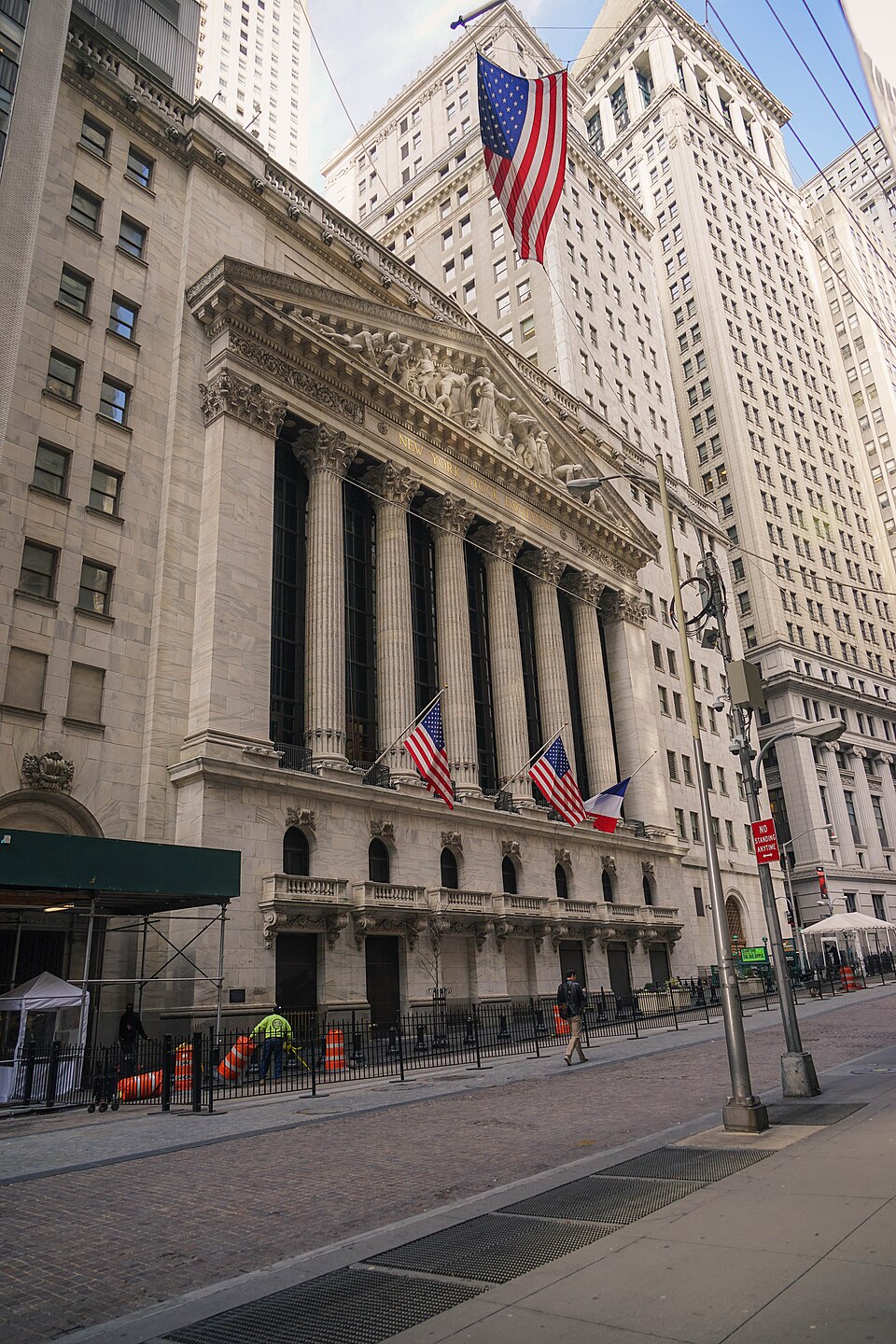
New York Stock Exchange. The Nasdaq hit a fresh record close on September 21.
Last night's U.S. market rally pushed the Nasdaq 2.26% higher to a record close. But the semiconductor leadership was unusual: not Nvidia as one might expect, but CPU makers—Intel, AMD, and Arm Holdings. Because domestic memory-chip giants follow different fundamentals, keep that distinction in mind as today's session unfolds.
Crude fell below $100. The U.S.-China summit arrives Thursday. KOSPI enters today having reclaimed the 7,000 level.
This article is for informational purposes. Investment decisions and outcomes rest with the reader.
#KOSPI #Nasdaq #USMarketClose #SemiconductorRally #SOX #Nvidia #AMD #Intel #ArmHoldings #Oil #USD #KRW #ChinaSummit #SamsungElectronics #SKHynix #Bitcoin #AsiaMarkets #MarketClose #TechStocks #ChipStocks #MemorySemiconductors #ExportMomentum #MarketAnalysis
댓글
댓글 쓰기