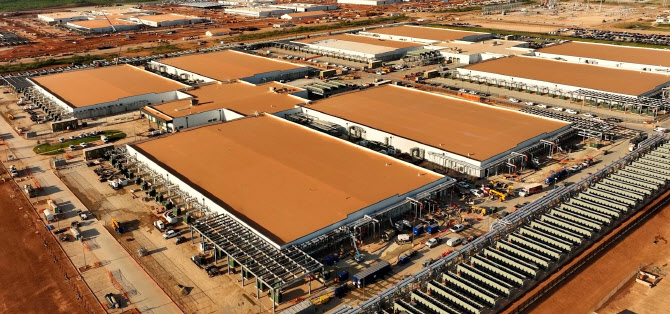
Oracle shares surged near $163.86 on September 11, up 7.14% from the prior close of $152.94, reaching an intraday high of $165.99. The rally followed the company's fiscal 2027 first-quarter results, released after markets closed the evening before.
The sharp reversal was dramatic. Two days earlier, on September 10, Oracle had fallen more than 5% as AI-bubble concerns resurfaced ahead of the earnings release. When the numbers came out after the close, sentiment shifted entirely.
The results, and what drove the move
Total revenue reached $19.35 billion, up 30% year-over-year and exceeding Wall Street's forecast of $19.13 billion. Non-GAAP EPS came to $1.92, beating expectations around $1.74.
The real story, though, centered on cloud. Oracle's total cloud segment grew to $11.6 billion, up 62%, while its Infrastructure Cloud division—which leases data center capacity—posted $7.4 billion, up 121%. The business has more than doubled in a single year.
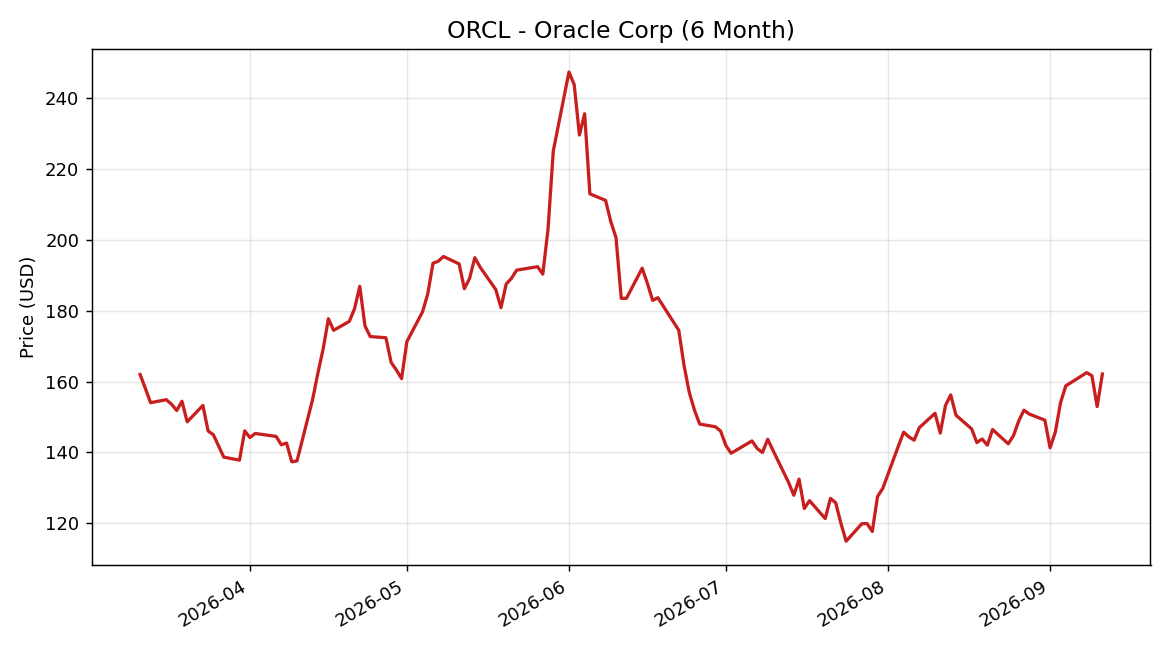
This quarter alone, Oracle delivered over 850 megawatts of data center capacity and more than 300,000 GPUs to customers—nearly triple the pace of the prior quarter. Its Abilene, Texas campus shipped 131,000 GPUs this quarter alone, with six of eight planned buildings already handed over to customers.
Why $664 billion matters
Remaining performance obligations (RPO) represents future revenue already contractually committed but not yet recognized on the income statement. Oracle's RPO totaled $664 billion.
This quarter, Oracle added more than $30 billion in new AI cloud contracts, with deals from major customers including OpenAI, Nvidia, Meta, and AMD continuing to accumulate. The company's claim that demand exceeds supply found numerical confirmation.
Oracle raised its fiscal 2027 revenue guidance to at least $90 billion, with non-GAAP EPS guidance of $8.10. Given the 5% drop just 24 hours before, the market had dramatically rewritten its narrative.

Wall Street is pricing in further upside
Analysts covering Oracle set an average price target of $257.51 with a consensus rating near Moderate Buy. Even at today's $163 range, the street is looking substantially higher. That said, analyst targets reflect their own forecasts; actual outcomes may differ.
But caution remains warranted
Oracle raised $20 billion in new share issuance this quarter through an at-the-market (ATM) program. The capital intensity of rapid data center buildout is apparent—and existing shareholders face potential dilution.
The $664 billion in RPO represents contractual commitments, not cash already collected. Converting it to revenue requires sustained data center construction; delays in power or GPU delivery could push revenue recognition back. The 5% decline two days prior reflected this underlying concern: whether AI investment is moving faster than execution can support.
Where Oracle stands
By the numbers, this quarter directly refuted the skeptics. Revenue, earnings, and backlog all beat expectations, with cloud infrastructure more than doubling. Analysts had anticipated this strength, raising targets before the results were in.
The next inflection point arrives with second-quarter results expected in December. Watch whether the 850 megawatts and 300,000 GPUs deployed this quarter translate to recognizable revenue, and whether the $20 billion capital raise repeats. A stock that swung from -5% to +7% in a single day carries both momentum and volatility, with significant moves possible at the next earnings release.
Oracle is a U.S.-listed security. This analysis is factual reporting, not investment advice. Investment decisions and outcomes remain your responsibility.
#Oracle #ORCL #OracleStock #USStocks #Nasdaq #WallStreet #Cloud #AIDatacenter #OpenAI #OracleEarnings #CloudInfrastructure #PriceTarget #StockInFocus #USEquities #BigTech #TechStocks #EarningsReport #StockNews
댓글
댓글 쓰기