Intel (INTC) fell 4.34% in U.S. trading today, sliding to around $101.63. The move wipes out roughly half of an 8-9% rally that came just two days prior, when an analyst upgrade and chip-pricing news propelled the stock higher.
In absolute terms, the stock closed near $106 on Sept. 8 and now sits in the $101 range—a $5 difference. That doesn't sound large, but it translates to a 4% move.
Why the rally, then the reversal?
Sept. 8's surge had two catalysts. Northland Securities analyst Gus Richarrdson upgraded Intel from market perform to outperform with a $120 price target, and on the same day, Intel reported it could raise PC processor prices by as much as 10%. In a supply-constrained market, higher pricing typically signals robust demand.
The market questioned its durability within 48 hours. Is this pricing power structural, or merely a temporary benefit that evaporates once semiconductor supply normalizes? A substantial portion of investors favored the latter interpretation.
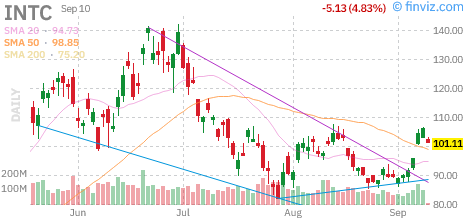
Year-to-date, Intel has soared over 180%. Stocks with moves this large tend to see outsized pullbacks on modest catalysts. A single down day doesn't signal fundamental deterioration; it reflects profit-taking after an extended advance.
Analysts remain cautious
According to 247wallst data, Intel's analyst coverage tallies 32 holds, 13 buys, 1 strong buy, 1 sell, and 1 strong sell. Holds dominate. The average price target stands at $115.88, above the Sept. 9 close of $106.24, but the premium is modest.

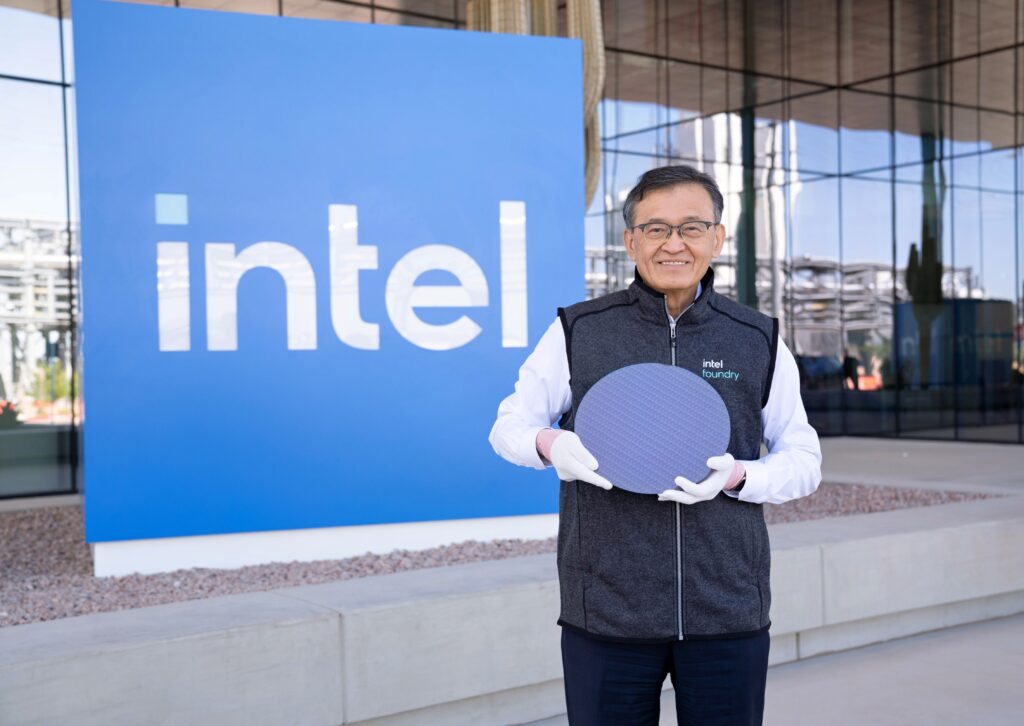
One metric stands out: Intel's foundry division posted external foundry revenue of $293 million against a $2.1 billion loss that quarter. Losses exceed revenue by more than sevenfold, suggesting the foundry business requires additional time to turn profitable.
Valuation also pressures sentiment. Intel trades at a forward P/E of 52x. With net income not yet on solid footing, that multiple weighs on conservative investors, though above-current price targets suggest the market isn't wholesale dismissing the company.
Sector-wide pressure is compounding the move
This isn't Intel in isolation. On Sept. 1, when the 10-year Treasury yield reached 4.8%, highly valued semiconductor stocks collectively retreated roughly 3%. Rising rates pressure growth stocks with profits far in the future. Having already rallied 180%+ this year, Intel ranks among semiconductor names most vulnerable to interest-rate headwinds.

Today's decline reflects Intel's post-rally pullback layered with sector valuation pressures rather than isolated company deterioration. Drawing a single causal line remains premature.
Where does Intel actually stand operationally?
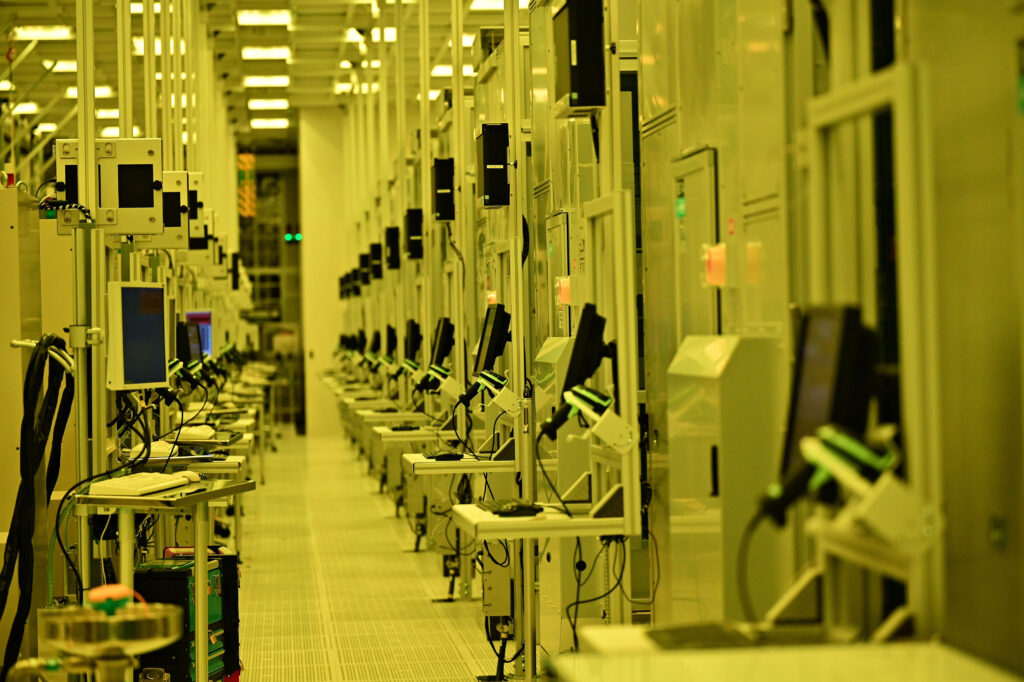
Fab 52 in Chandler, Arizona has begun production of Panther Lake processors on Intel's latest 18A process—symbolically important as the most advanced logic chips fabricated in the U.S. Manufacturing progress is evident.
The bottleneck is how quickly manufacturing capacity translates to profit. Foundry losses remain substantial, and external customer revenue remains small. Until the foundry business reaches profitability, the market will likely harbor skepticism about bridging the gap between current results and the stock's valuation.
| Metric | Figure |
|---|---|
| Analyst average price target | $115.88 |
| Hold / Buy ratings | 32 / 13 |
| Foundry division quarterly loss | $2.1 billion |
| Forward P/E | 52x |
The takeaway
Intel is currently a volatile holding without clear directional conviction. An 8% rally on pricing power followed by a 4% reversal signals the market hasn't fully embraced the company's fundamental strength.
The next critical marker is foundry external revenue. Next quarter's results will clarify whether external foundry revenue actually grows beyond the $293 million posted last quarter and whether losses narrow.
This is a stock that swings sharply on each new data point. For those tracking it, today's 4% pullback is another frame in an ongoing pattern of volatility.
Intel is a U.S.-listed stock. This article is factual analysis, not investment advice or a buy/sell recommendation. Investment outcomes are the reader's responsibility.
#Intel #INTC #US stocks #semiconductors #Nasdaq #Intel stock #semiconductor stocks #foundry #Panther Lake #Arizona fab #US market #chip pricing #Northland Securities #price target #semiconductor investing #US equity markets #foreign stock #market analysis #stock in focus #Intel earnings
댓글
댓글 쓰기