On September 8, AMD shares rose approximately 6% in U.S. trading. There was no earnings report. No new product launch. Just one thing: management offered a single number on a conference stage.
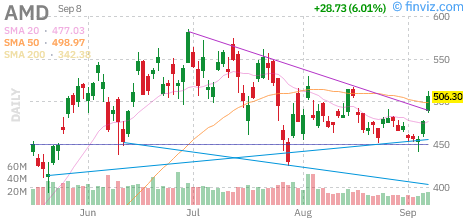
What drove a 6% one-day jump?
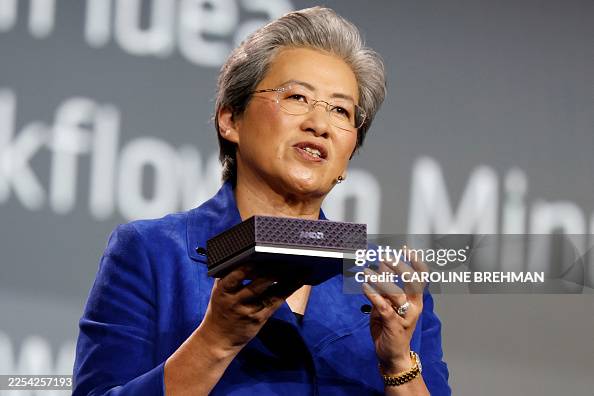
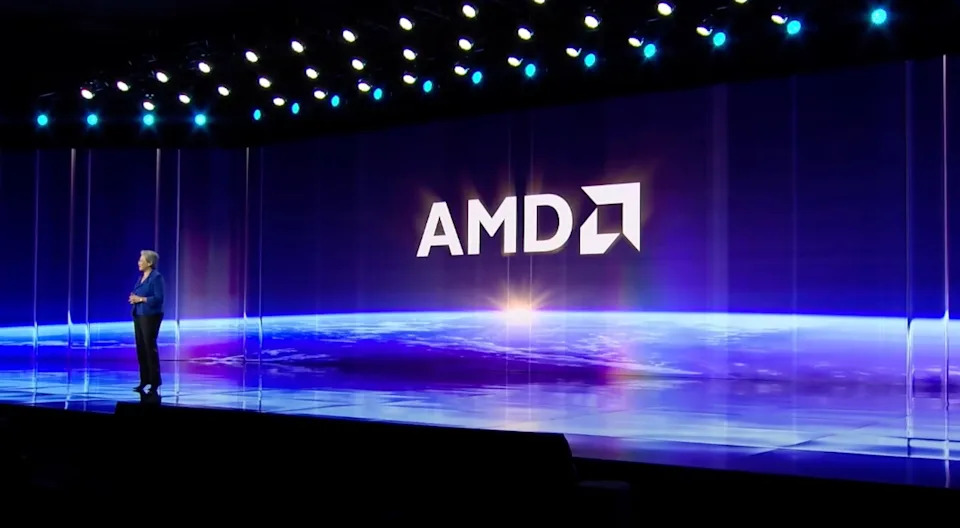
The Citi Global TMT Conference, where major telecom, media and technology investors gather annually. Here, AMD executives reset their estimate for the artificial intelligence market opportunity through 2030 to $2 trillion—a significantly larger figure than prior guidance.
The scope expanded as well. CFO Jean Hu named three anchor customers—Meta, OpenAI, and Anthropic—each with gigawatt-scale, multi-year contracts. Data center revenue is forecast to double next year, reaching $70 billion, with $40 billion coming from AI GPUs alone.
The server CPU market projection shifted more dramatically, growing from an estimated $60 billion to $220 billion by 2030—more than tripling. Agentic AI—software that makes autonomous decisions and executes tasks—will represent more than half that market, according to the company. AMD is targeting roughly $100 billion of that opportunity.
Did AMD rise alone?
No. Micron, NVIDIA, and Intel all gained the same day. A Morgan Stanley supply-chain report issued the day prior had already set the tone, citing stronger-than-expected demand for AMD's MI400 series and server processor "Venice" through 2027. Goldman Sachs raised its price target with a buy rating. William Blair initiated coverage, calling AMD "a key beneficiary of the AI infrastructure boom."
In short, this was not an AMD-exclusive catalyst. The semiconductor sector moved together that day, and AMD's conference remarks added momentum.
Why did the stock fall on earnings if results were record-setting?
Last month's Q2 earnings reveal an important detail. Revenue of $11.5 billion—up 50% year-over-year. Data center alone hit $6.7 billion, a 107% increase, representing 58% of total company revenue. Yet the day that earnings were announced, shares dropped more than 8%.
| Metric | Q2 Result | Year-over-Year |
|---|---|---|
| Total Revenue | $11.5 billion | +50% |
| Data Center Revenue | $6.7 billion | +107% |
| Q3 Revenue Guidance | $12.7-13.3 billion | Approximately +41% |
The context: the stock had rallied 136% in six months. Markets had already embedded expectations of strong results. The disappointment centered on guidance and forward assumptions. Then, at the Citi conference, management offered concrete figures—$2 trillion and $220 billion—that expanded the addressable opportunity beyond what was already priced in. Buyers returned. The timing of disclosure and market reception are not always aligned. This episode illustrates that principle.
Is AMD genuinely positioned for the AI boom?
The numbers support the narrative. Meta committed to up to 6 gigawatts of MI450 capacity; Anthropic to up to 2 gigawatts. AMD is investing up to $5 billion in Anthropic as part of the arrangement. A customer and an equity partner simultaneously. The MI450 GPU launches this quarter. The Helios rack system begins shipping in Q3. Initial volumes will flow into production.
NVIDIA remains in a different weight class. NVIDIA's estimated share of the AI accelerator market ranges from 75-81%, versus AMD's 5-7%. The gap is substantial. NVIDIA's gross margin—85-88%—dwarfs AMD's 65-68%. Securing the #2 position is not the same as contending for #1. AMD has earned a reputation as a credible alternative, but it has not displaced the leader.

What are the material risks?
AMD itself flagged one at the conference: "Supply constraints and early MI450 ramp costs could compress near-term margins." Launching multiple new products at speed carries the risk that early yields or manufacturing costs compress profitability. Add to this the fact that the stock has already risen 136% in six months. If future numbers fail to exceed expectations as they did this week, corrections could be substantial—and current valuation, while not the direct cause of any decline, would amplify disappointment.
To be candid: the timing and magnitude of actual revenue recognition from the Meta, OpenAI, and Anthropic agreements remain unclear. AMD disclosed direction only—"gigawatt-scale, multi-year contracts." Full disclosure of year-by-year backlog figures has not occurred.
So where does AMD stand?
A chipmaker once chasing NVIDIA from second place can now claim a seat at a $2 trillion table. Earnings, customer commitments, and contract scale support the case. This week's surge had a foundation.
What to watch: whether Q3 results deliver data center revenue on a $70 billion annual pace, and whether gross margin holds at current levels—54%. If margin contracts, the narrative shifts to "growth is real, but profits are lighter."
This stock has posted 41 swings of 5% or more in a single year. Volatility is structural. Today's 6% surge follows that pattern. No one can guarantee this momentum persists until the next earnings release.
Investment decisions and their outcomes are the responsibility of the individual investor.
#AMD #USStocks #AMDStock #Semiconductors #AISemiconductors #DataCenter #NVIDIA #Meta #OpenAI #Anthropic #CitiConference #MI450 #Helios #ServerCPU #NASDAQ #USMarkets #StockInFocus #Gainers #SemiStock #AIInfrastructure #PriceTarget
댓글
댓글 쓰기