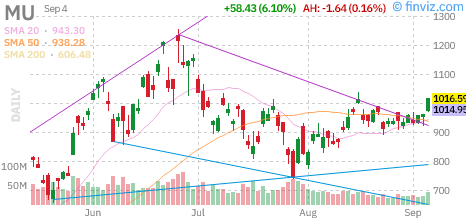
Micron Technology (MU) surged 6.10% on September 4, closing at $1,016.59—the first closing above $1,000 in company history. The broader market retreated that day: the NASDAQ and S&P 500 both fell. A single semiconductor manufacturer broke the trend. September 7 was Labor Day, so markets closed. The most recent trade remains September 4's close.
The move stands out. A 6%+ single-day gain for a large-cap chipmaker while the market retreated is uncommon and requires a catalyst. This article traces the reported drivers and asks whether they signal a one-off event or a structural shift.
What drove the move
Multiple outlets identified three concurrent factors. First, DRAM pricing. Contract prices for the current quarter are expected to climb 50-200%, with NAND flash projected to rise roughly 60%. DRAM accounts for approximately 70% of Micron's total revenue. Price increases flow directly to operating margins rather than volume.
Second, AI server demand remains intact. High-bandwidth memory (HBM) and server-grade DRAM shipments show no signs of slowdown, reinforcing buyer confidence. Third, supply-chain concerns eased. Taiwan factory labor risks receded after the company announced substantial performance bonuses, removing near-term production worries from the narrative.
Why the sharp DRAM price move
DRAM is a cyclical commodity: supply growth pressures prices downward; supply shortages drive them up. The market is now in the shortage phase. Modern AI servers require substantially more memory per unit than previous generations. HBM, in particular, consumes roughly three times more silicon than standard DRAM to deliver the same capacity. When a manufacturing line is allocated to HBM production, regular DRAM output declines proportionally.
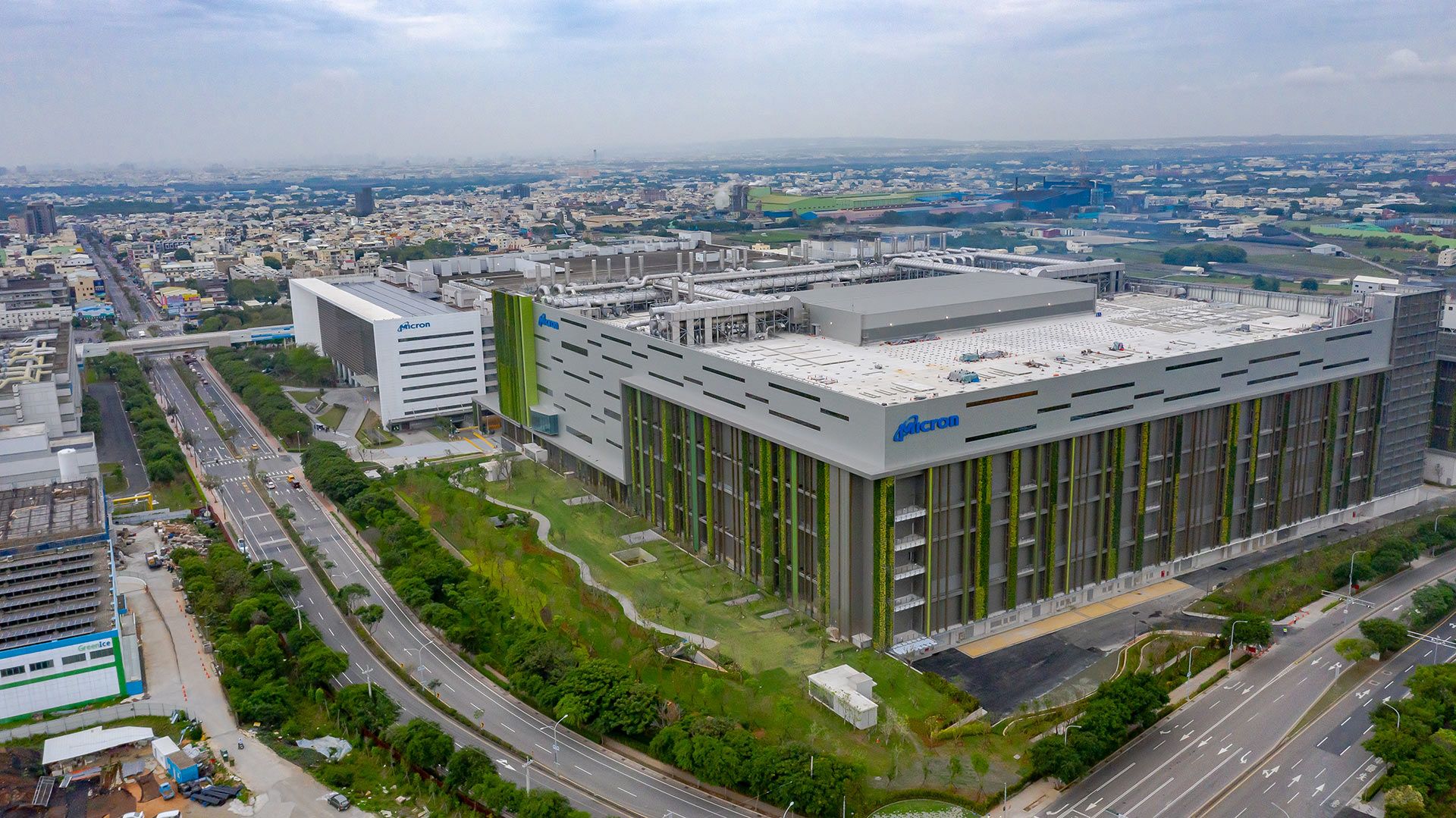
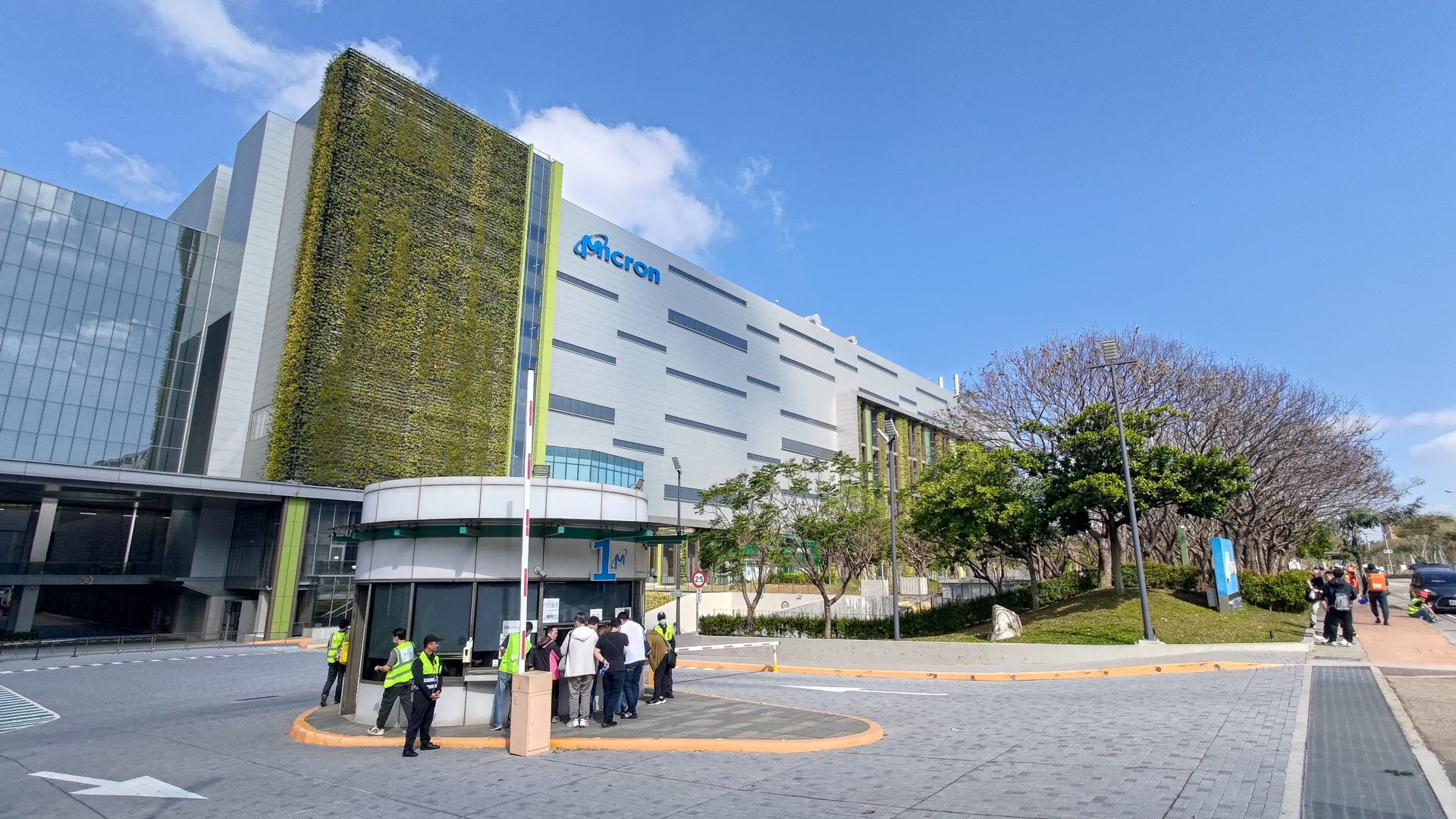
Micron's fiscal Q3 results, announced in June, illustrate the transformation. Revenue totaled $41.46 billion, sharply exceeding the $35.84 billion consensus. The company guided Q4 revenue to approximately $50 billion with non-GAAP gross margins of 85-86%. A year earlier, Q3 revenue was roughly $11.3 billion. The business has fundamentally changed scale in 12 months.
Where analysts see the stock heading
Starting June 17, major brokers began raising price targets. Attic Malik at Citi set a $1,200 target, projecting that DRAM average selling prices could climb 200% over the full 2026 calendar year. Melissa Weathers at Deutsche Bank raised her target to $1,500, citing potential DRAM supply constraints extending into 2028 and beyond.
| Firm | Price Target | Date Issued |
|---|---|---|
| Citi | $1,200 | June 17 |
| Deutsche Bank | $1,500 | June 17 |
Targets imply 18-48% upside from the current $1,016.59 price.
But the stock is already up considerably this year
Micron has been among the year's largest gainers since early 2026. September's 6% surge extends that momentum. Elevated price targets above current levels do not suggest the market views the stock as overextended; rather, they indicate that participants see additional earnings growth ahead. That said, sharp year-to-date gains can amplify volatility to small headlines.

Key events ahead
The next major catalyst is Q4 earnings, due late September. Macro events will overlap. August CPI is scheduled for September 11; the Federal Open Market Committee convenes September 15-16 for its rate decision. If interest-rate cuts materialize more slowly than markets have priced in, a significant prop to this rally could be exposed.
Micron-specific risks persist. DRAM and NAND are commodities: prices collapse when supply grows. The current rally rests on a supply deficit. If competitors accelerate capacity additions, pricing could reverse sharply. Taiwan labor unrest was papered over, not permanently resolved; recurrence is a tail risk.
Where Micron stands now
Micron is in a rare window where earnings and stock price align upward. Revenue has nearly quadrupled. Analyst targets exceed the current price. That said, this entire move depends on a single variable: DRAM and HBM pricing. Recognizing that concentration is critical.
The next verdict arrives with Q4 results. Can the company deliver on its ~$50 billion revenue and 85-86% gross-margin guidance? Will management revise its DRAM price assumptions? Those two outcomes will determine whether the rally extends or corrects 20%+ from here. A beat could spark further upside momentum; a miss risks a sharp pullback.
U.S.-listed security. This is a factual analysis, not investment advice. Investment decisions and outcomes are your own responsibility.
#Micron #MU #DRAM #NAND #HBM #AI #Semiconductor #HighBandwidthMemory #AIMemory #Earnings #PriceTarget #Citi #DeutscheBank #FederalReserve #TechStocks #NASDAQ #EquityResearch
댓글
댓글 쓰기