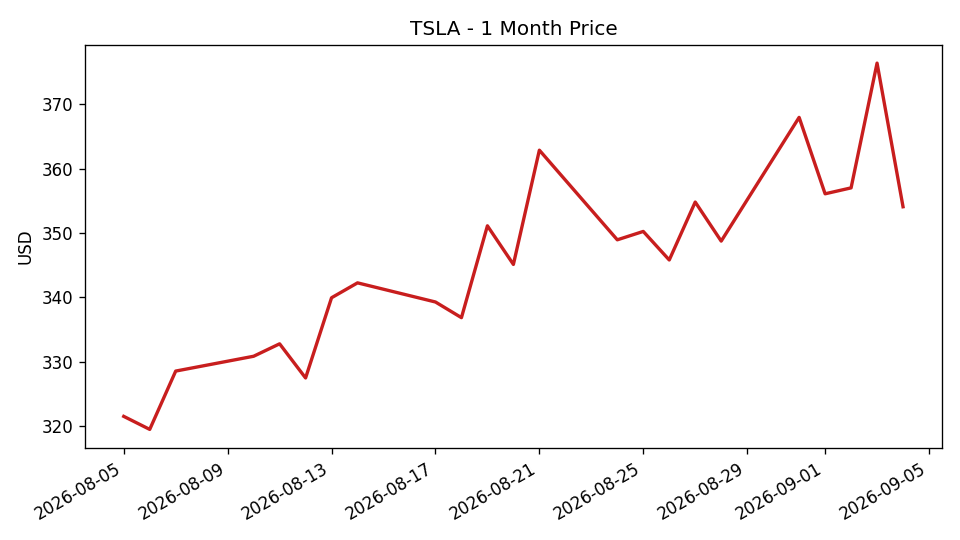
Tesla stock closed down 5.92% at $354.08 on the New York exchange on September 4 (U.S. time). When a vehicle debut triggers that kind of decline, it's a headwind, not a tailwind. Trading volume that day hit approximately 65 million shares. Typically, the stock trades around 42 million shares daily. That represents a 53% surge in turnover.
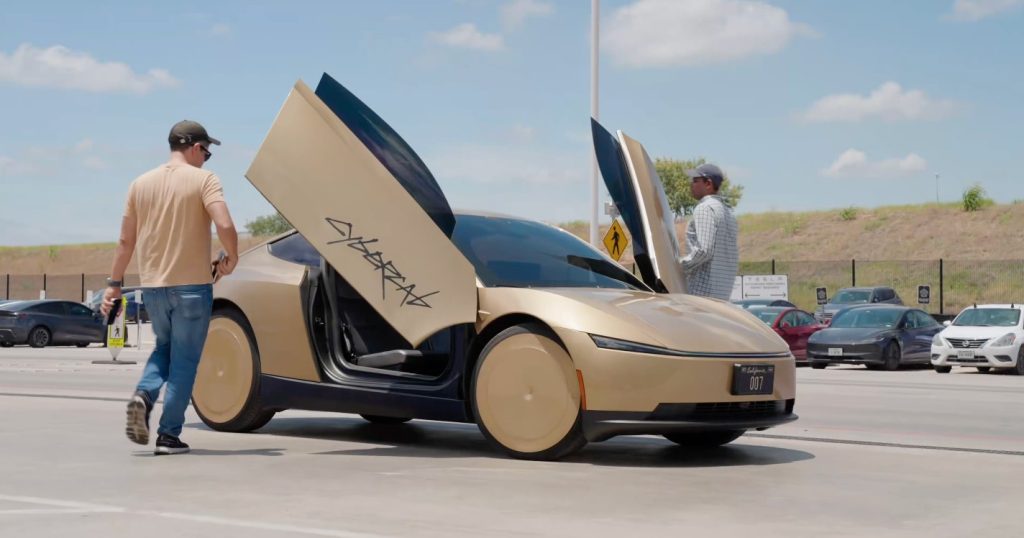
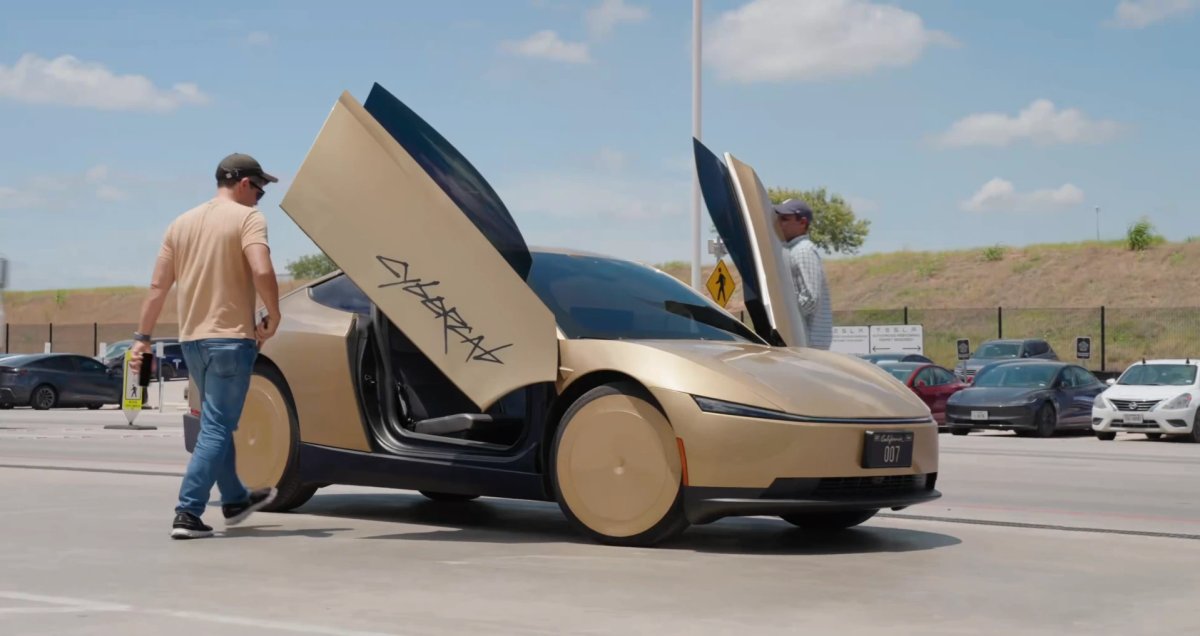
The new vehicle is called the Cybercab—a two-seat fully autonomous robotaxi with no steering wheel or pedals. The unveiling event took place on the evening of September 3 in Austin, Texas. Elon Musk did not attend. Only invited guests were permitted inside: select shareholders and content creators. Even these attendees had to sign nondisclosure agreements. There was no live stream.
Why Did Stock Fall After the Launch?
New vehicle launches typically drive stocks higher. This time the market moved the opposite direction. Investors got none of the answers they sought—no price, no production timeline, no clarity on regulatory approval. Rosenblatt Securities called the event underwhelming, noting that insufficient evidence was presented to support autonomous capability using cameras alone.
The National Highway Traffic Safety Administration (NHTSA) launched an investigation the same day as the Cybercab's debut. With no steering wheel, pedals, or side mirrors, the agency is examining what basis Tesla used to self-certify the vehicle as safe. Videos posted online have already raised questions. One shows the Cybercab driving straight through a left-turn-only lane and remaining stopped in the opposing lane for nearly 10 seconds. Another captured it responding to police lights with two hard braking events.
Is Tesla Profitable Now?
Tesla's Q2 results, released July 22, showed revenue of $28.24 billion—a 26% year-over-year gain. The headline number looked solid, but operating margin collapsed to 1.4%. Selling, general and administrative expenses plus R&D jumped 47% to $4.35 billion. Capital expenditures surged 142% to $5.79 billion, signaling heavy reinvestment into AI infrastructure. Earnings per share came in at $0.33, sharply missing the $0.51 consensus estimate. Free cash flow turned negative at -$1.09 billion, compared with positive $1.44 billion in the prior quarter.
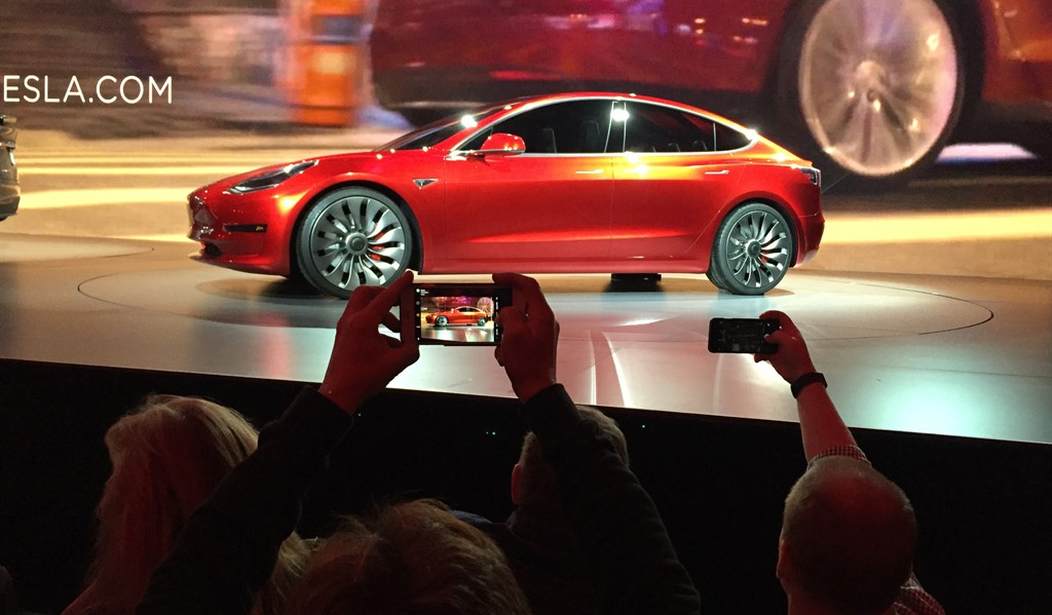
Revenue is growing while profitability shrinks. Automotive earnings are being reinvested into robotics and autonomous-driving development. No one can say when that bet will pay off. The Cybercab was meant to be the first tangible result. Instead, it delivered no numbers.
How Is Wall Street Reading This?
Analysts are split. Morgan Stanley maintains an Equal-Weight rating with a $400 price target, viewing deployment volume through year-end as the key variable for stock direction. Barclays takes a different view: no new information emerged on growth or expansion plans, and the event may not be as significant a catalyst as the market expected. Wedbush's Dan Ives continues to maintain a $600 price target, treating Tesla not as an automaker but as a physical-AI platform.
Same company, same event—yet opinions diverge sharply. It's ultimately a matter of conviction. Those who believe autonomous driving will become a real business see today's decline as a temporary pullback. Those skeptical of unproven claims view it as the start of a broader retreat.
So, Where Is Tesla Now?
Tesla today proves itself not through earnings but through narrative. That's why a 1.4%-margin company still commands top-tier valuations. But the Cybercab reveal added no new evidence to that story. The simultaneous NHTSA investigation only deepened the questions.
The next test will be NHTSA's findings and whether Cybercabs actually proliferate on the road. Rising deployment numbers would support the Morgan Stanley scenario. A prolonged investigation or more incident videos would undermine the entire thesis. Why does Wedbush bet on "physical AI" with a $600 target, while Barclays remains unmoved by the same event? The next data point may narrow that gap.
Tesla trades on U.S. exchanges. This article is factual analysis, not investment advice. Investment decisions and outcomes remain the sole responsibility of the reader.
#Tesla #TeslaStock #TSLA #U.S.Stocks #Cybercab #Robotaxi #AutonomousDriving #ElonMusk #NHTSA #TeslaEarnings #Nasdaq #U.S.Markets #EV #Wedbush #MorganStanley #Barclays #StockInFocus
댓글
댓글 쓰기