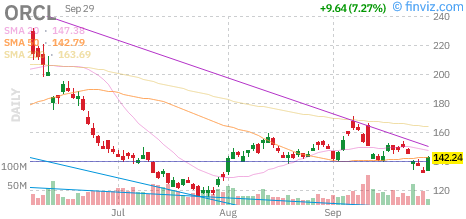
Oracle (ORCL) recovered to $142 intraday on Sept. 29. The stock closed at $142.78, up 7.68% from the prior close of $132.92. The move marked a significant recovery from a sharp selloff four trading days earlier.
The decline began on Sept. 24, when a force majeure notice surfaced related to Oracle's massive New Mexico data center project, "Project Jupiter." The stock tumbled immediately. On Sept. 28, headlines about OpenAI's cancellation of its next-generation model added to the pressure. But on the morning of Sept. 29, new product announcements and upbeat analyst commentary reversed the momentum sharply.
Not a broad rally in cloud stocks
First, the key question: is this a sector-wide rebound for cloud and AI large-caps, or company-specific? The answer is the latter. No comparable surge was evident in other cloud or semiconductor giants the same day. Today's bounce appears driven by Oracle's own news flow. That also signals how heavily a single company's headlines can move its stock.
Why the selloff—Project Jupiter and OpenAI
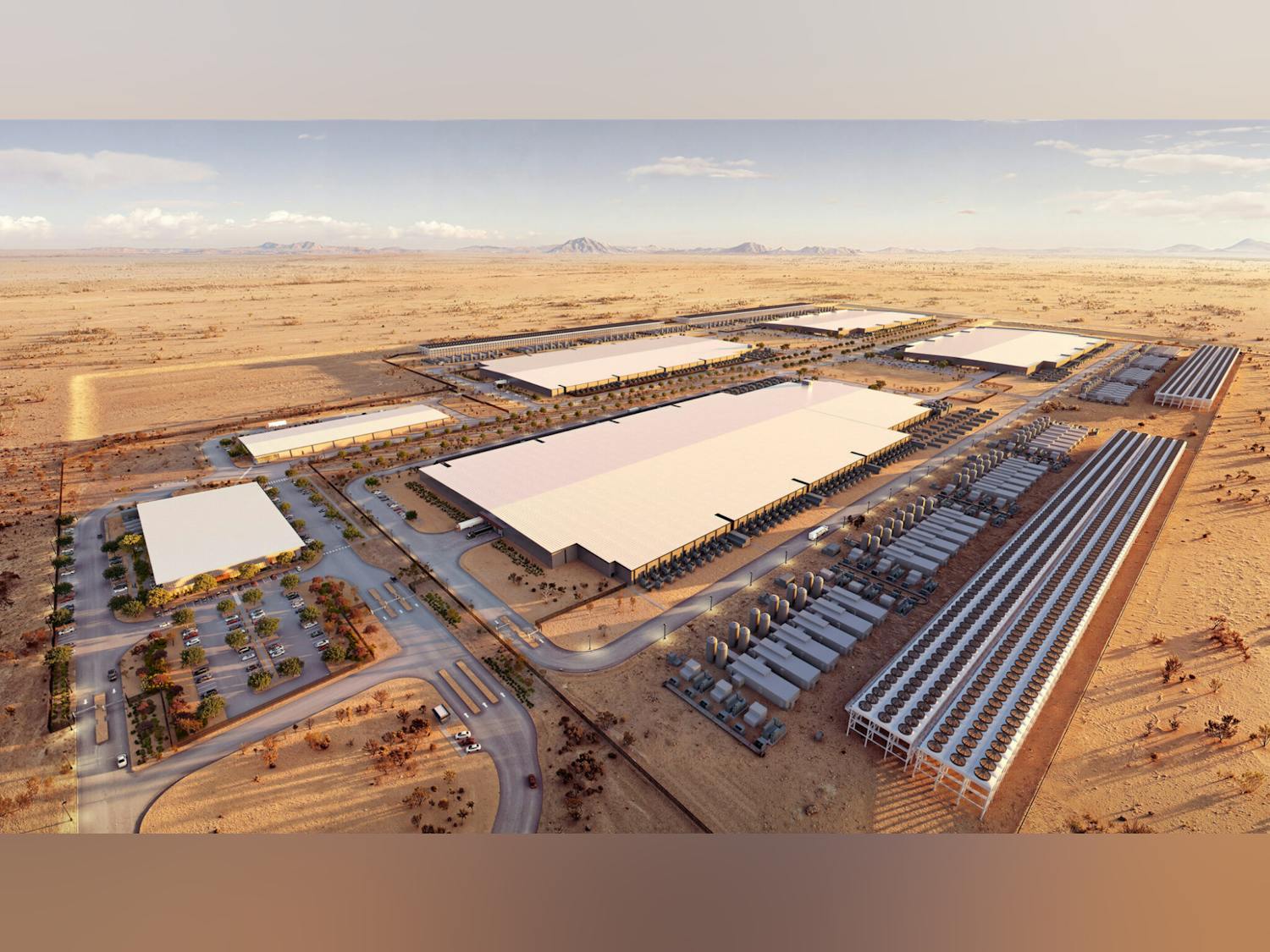
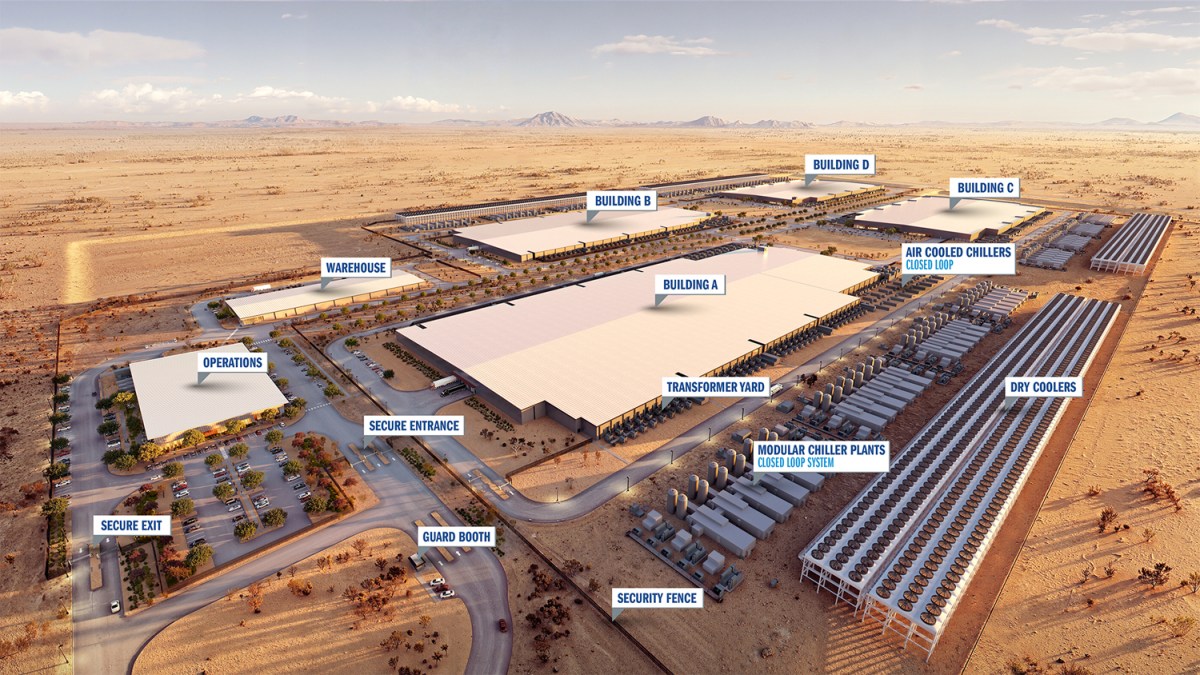
On Sept. 24, Oracle sent a force majeure notice to the project developer regarding "Project Jupiter," its hyperscale data center under construction in Santa Teresa, New Mexico. The notice outlined Oracle's intent to defer certain payments if construction falls behind its 2028 target completion. Oracle stated the project "remains on track" and framed the notice as standard practice for developments of this scale, meant to protect both parties' contractual rights. Market sentiment, however, skewed negative.
KeyBank analyst Jackson Arthur zeroed in on the vulnerability: "Oracle has the tightest cash position among major hyperscalers." The comment was brief but carried significant weight. Because Oracle funds massive capex through debt, any stumble in payment schedules can quickly spiral into concerns about financial stability. That concern intensified on Sept. 28 when OpenAI canceled the launch of its next-generation model, "GPT-6.1 Astra," citing unmet safety and alignment standards in internal testing. A substantial portion of Oracle's revenue depends on infrastructure contracts with OpenAI, making that news read as another headwind.
Why the rebound today
The rebound was anchored on product news. Oracle announced its new "Fusion Clo" agentic execution engine on Sept. 29, along with 25 additional autonomous application modules, expanding its lineup of 75 agentic applications. The company also rolled out an agent-based financial fraud response capability the same day. The market read this as tangible proof that AI investments are translating into shipped products.
Analyst sentiment turned upbeat. 24/7 Wall St. set a 12-month price target of $208.21, suggesting room for bargain buying after the selloff.
| Item | Figure | Note |
|---|---|---|
| Q1 FY27 revenue | $19.3 billion | +30% YoY |
| Cloud Infrastructure (IaaS) revenue | $7.4 billion | +121% YoY |
| Remaining performance obligations (RPO) | $664 billion | $30 billion in new contracts in Q1 |
| FY27 full-year revenue guidance | At least $90 billion | Company guidance |
Strong numbers, but why the volatility
Oracle's revenue trajectory has actually steepened since its August earnings report. Cloud infrastructure revenue has now posted triple-digit growth for nine consecutive quarters. Yet the stock has shed more than half its summer peak. The reason is straightforward: cash, not earnings, is the constraint. When capex spending outpaces cash generation, the gap must be closed with debt. The Project Jupiter force majeure notice hit exactly at that pressure point. Revenue figures and financial durability are now pointing in opposite directions, which explains why the stock swings 7–8% on individual news items.
Even the founder is putting up more collateral
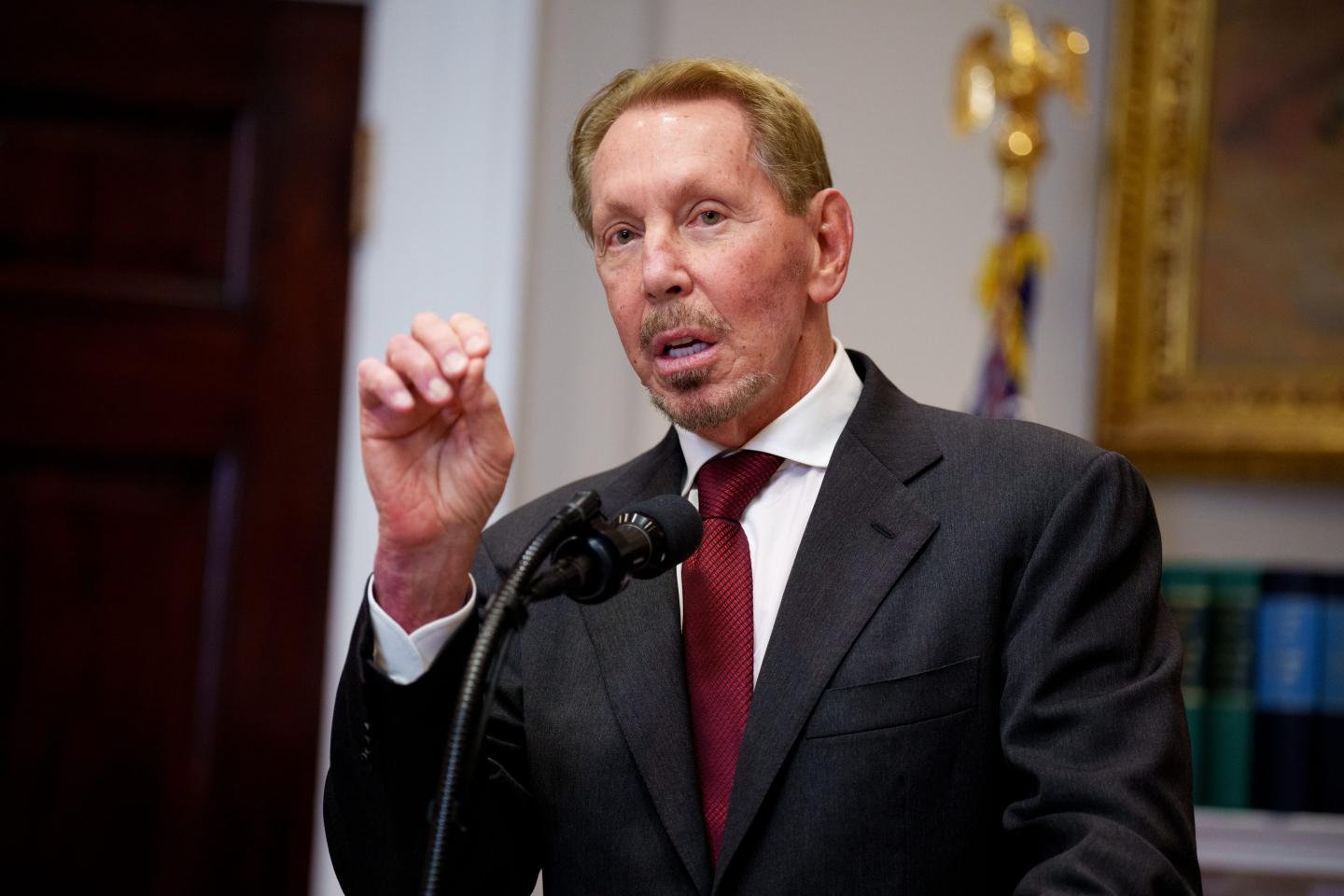
Co-founder Larry Ellison's actions merit attention. Reports indicated he pledged an additional $9.3 billion in Oracle shares as collateral. Putting more of his own stake on the line can signal confidence in the company's future. That said, it is a personal financing tactic, not a fix to the company's operating cash flow. The distinction matters.
Oracle now: in summary
Oracle today embodies a paradox: record-high earnings paired with historically tight financial room for maneuver. Quarterly revenue and backlog hit new highs repeatedly. Yet the data center investment pace that powers that growth runs tight against the limits of available cash. Today's rebound looks more like relief than resolution.
Two points merit watching: when the power infrastructure permits for Project Jupiter actually clear, and what free cash flow looks like in the next quarterly earnings (due in December). The fact that a single data center's construction schedule can move a mega-cap tech stock this much is itself a window into where AI infrastructure competition stands right now.
U.S.-listed security. This analysis is factual and does not constitute investment advice. Investment decisions and outcomes remain the sole responsibility of the reader.
#Oracle #ORCL #OracleStock #USStocks #Nasdaq #CloudComputing #AIInfrastructure #OracleCloud #ProjectJupiter #OpenAI #LarryEllison #DataCenter #Hyperscaler #StockInFocus #USMarkets #TechStocks #CloudInfrastructure #FusionClo #AgenticAI #StockInvesting
댓글
댓글 쓰기