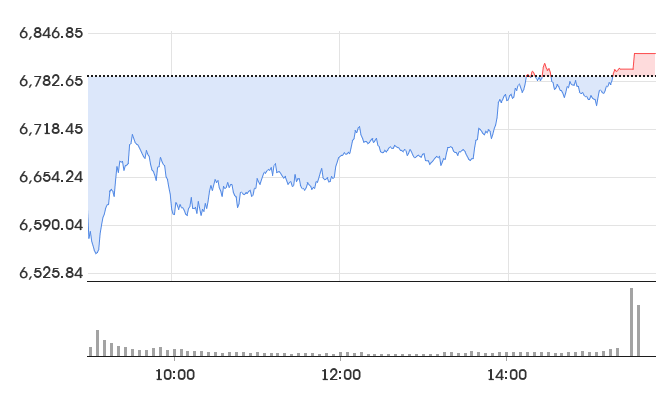
The KOSPI closed at 6,820.02 on August 31, 2026, up 0.46%. A modest gain on the surface—but the intraday action told a different story.
In early trading, the index collapsed to 6,547.76, down 3.55%. Through noon it languished near those lows. By afternoon close, the entire drawdown had been erased and then some. The oddity: foreign investors, institutions, and retail traders all sold. Yet the index rose. Who was buying?
From −3.55% to +0.46%
The selling pressure started overseas. Over the weekend, Federal Reserve Chair Jerome Powell delivered hawkish remarks at the Jackson Hole Economic Symposium. In the Fed's published text, he stated that inflation remains above the 2% target and stressed he lacks sufficient confidence that core inflation is moving down fast enough—language that signaled the Fed may not be finished tightening. U.S. equities retreated, with semiconductor stocks taking particular damage, according to morning market summaries.
The shock transmitted directly into the Korean market. Samsung Electronics and SK Hynix opened sharply lower, dragging the KOSPI down with them. That's when it hit −3.55%.
Then came the afternoon reversal. Both chip makers rallied as domestic corporate share-buyback orders accumulated. Samsung Electronics closed +1.17%, SK Hynix +1.27%.
KOSPI 3-month daily chart (Naver Finance, red=up/blue=down)
The investor flows tell the story. Foreign investors sold 640.7 billion KRW. Institutions sold 792 billion KRW. Retail investors sold 146.2 billion KRW. Every category was a net seller.
Yet a category labeled "other corporate entities" (기타법인)—which captures share buybacks by listed companies—posted net buying of 1.578 trillion KRW. Domestic corporations absorbed what everyone else was dumping.
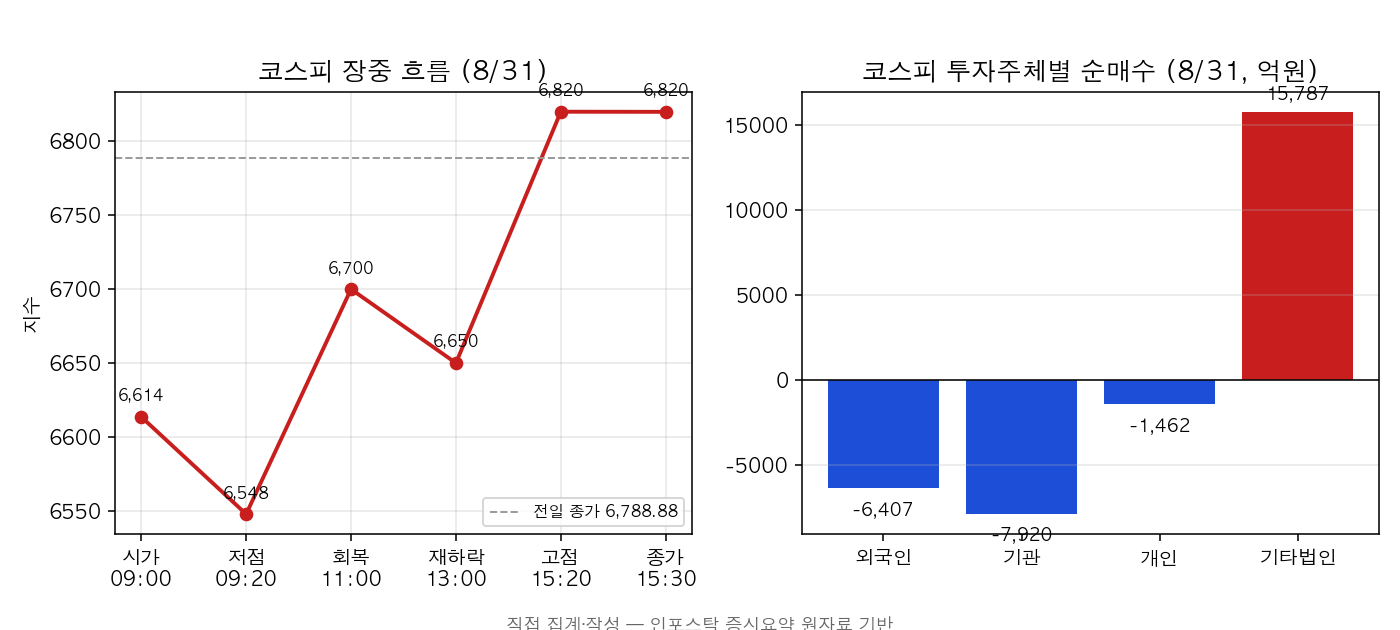
KOSPI intraday movement and investor-flow breakdown (direct compilation)
Bounces and breaks
Semiconductor-linked themes reversed course alongside Samsung and SK Hynix. Chip-substrate, HBM, and semiconductor-equipment trades flipped from morning losses into afternoon gains. Battery and energy-storage sectors also rallied. The U.S. is designating energy-storage systems (ESS) as critical power-grid infrastructure, and SK On announced a battery-cell supply contract covering 2027–2031 (9 GWh) with a U.S. ESS company. LG Energy Solution closed +2.16%, Samsung SDI +1.05%. Hyundai Motor and Kia edged higher as strike concerns faded, ending at +1.00% and +2.34%.
On the flip side, nuclear and power-equipment stocks absorbed the heaviest losses. Doosan Enerbility fell −6.46%, Hyosung Heavy Industries −6.03%, HD Hyundai Electric −4.05%. Construction lagged, with Daewoo Engineering & Construction tumbling −7.62% to rank among the day's worst performers. Shipbuilders, insurers, and brokerages also declined.
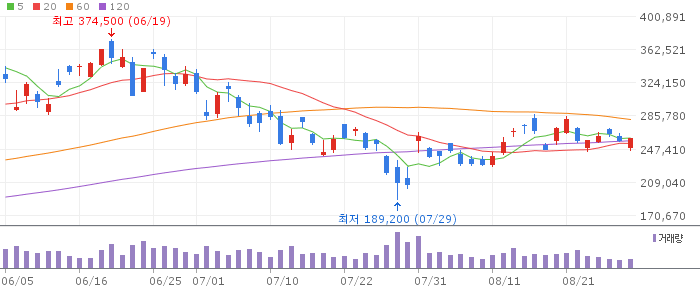
Samsung Electronics 3-month daily chart (Naver Finance, red=up/blue=down)
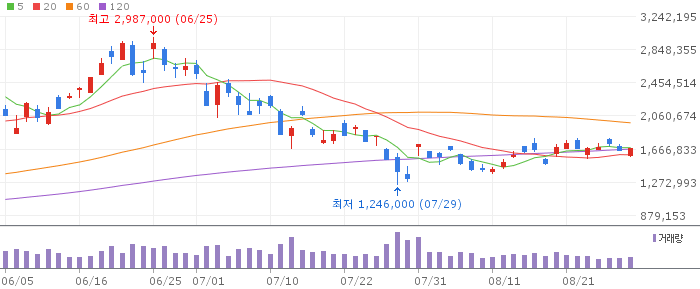
SK Hynix 3-month daily chart (Naver Finance, red=up/blue=down)
Why KOSDAQ lagged
The KOSDAQ Composite closed at 834.29, down 0.49%—a steeper loss than the KOSPI. The board's market-cap weighting skews toward pharmaceuticals and biotech, which face outsized sensitivity to rising-rate scenarios. Altheogen (−3.91%), Rigel ChemBio (−4.46%), and ABL Bio (−5.46%) dragged the index lower. Foreign investors sold 549 billion KRW; institutions sold 2.016 trillion KRW. Retail traders alone stepped in as net buyers at 2.533 trillion KRW. Unlike the KOSPI, the KOSDAQ lacked a large-cap corporate buyback backstop.
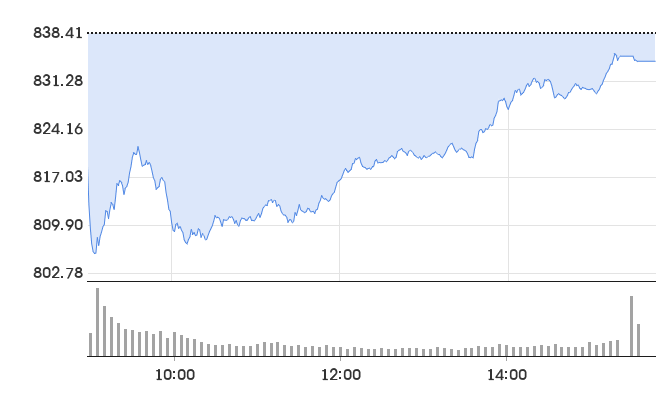
KOSDAQ 3-month daily chart (Naver Finance, red=up/blue=down)
Stock in focus
| Stock | Change | Driver |
|---|---|---|
| TKG Aekanq | +30.00% | Second tender offer for voluntary delisting |
| Satoshi Holdings | +30.00% | 6.999 billion KRW third-party share issuance |
| M&C Solution | +21.11% | 15 billion KRW share buyback trust for cancellation |
| OncoNic Therapeutics | +22.07% | U.S. patent grant for cancer-drug candidate |
TKG Aekanq's 30% surge stands out: this is the second tender offer aimed at voluntary delisting. Remaining shareholders rushed to tendered bids. M&C Solution is notable for another reason—on a day when large-cap corporate buybacks anchored the entire market, individual-stock buyback announcements also catalyzed rallies. The same dynamic operated at two scales simultaneously.
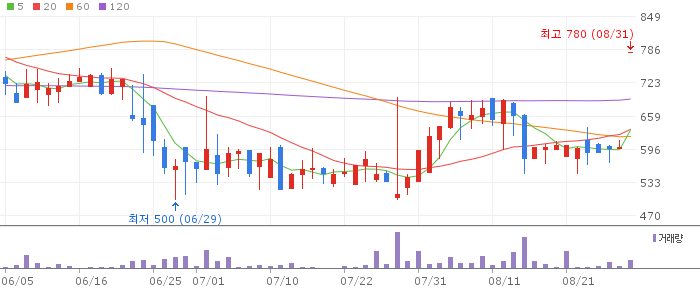
TKG Aekanq 3-month daily chart (Naver Finance, red=up/blue=down)
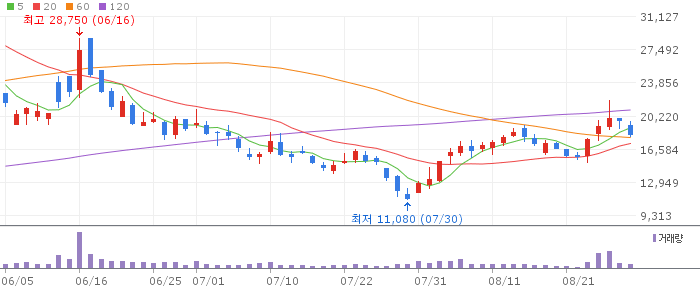
Daewoo Engineering & Construction 3-month daily chart (Naver Finance, red=up/blue=down)
What to watch
Today's rebound was propped up by one variable—corporate share buybacks—while foreign investors, institutions, and retail all remained net sellers. Two watch points matter:
First, early September's U.S. jobs and inflation reports. Powell specifically emphasized the pace of core inflation. Markets will closely parse those figures to assess the odds of further rate hikes.
Second, the September FOMC meeting. Powell did not signal a clear direction today. Expect volatility and reinterpretation each time labor or price data lands before the decision.
Investment decisions and their consequences rest with the individual investor.
#KOSPI #KOSDAQ #Samsung #SKHynix #ShareBuybacks #FederalReserve #Powell #JacksonHole #Inflation #RateHikes #Semiconductors #Battery #ESS #NuclearPower #Construction #RetailInvestors #ForeignInvestors #Institutions #MarketClose #StockMarket #Korea
댓글
댓글 쓰기