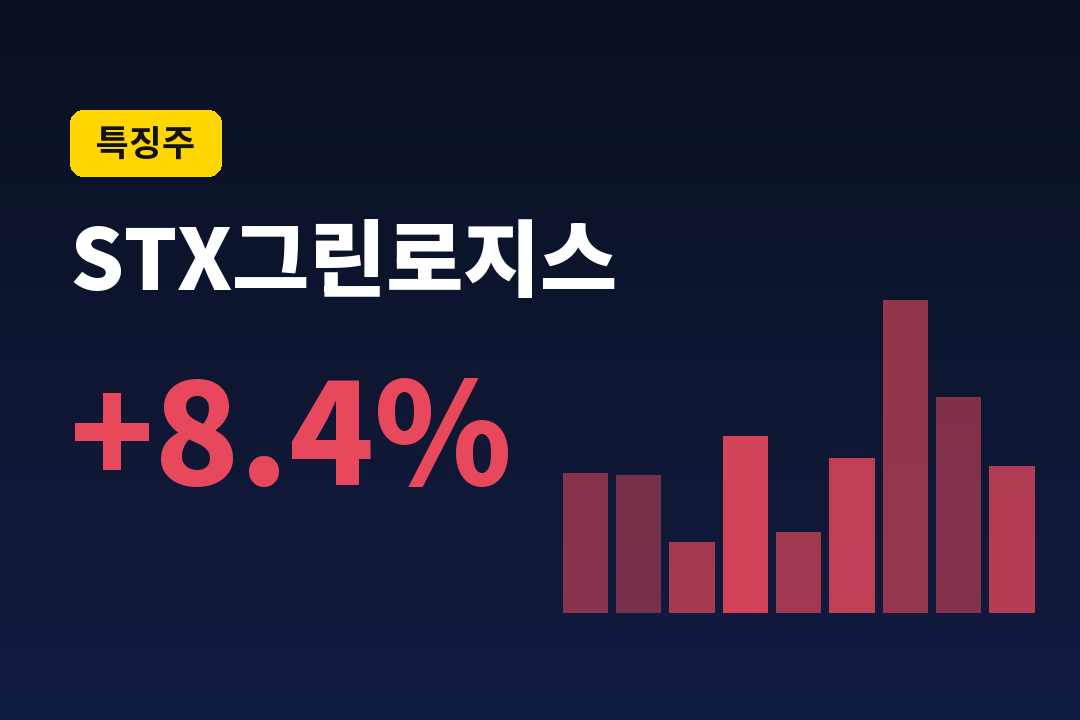
STX Green Logistics' stock is making some big moves this morning (August 21st). At 9:26 AM it was up 585 won (14.13%) from yesterday's close at 4,725 won, and by 9:54 AM it climbed to 4,835 won with gains stretching into the 16% range. Since the market's still open as I write, these are intraday numbers—things could look different at the close.
But this isn't company news—it's geopolitics. Yemen's Iran-aligned Houthi militants declared a naval blockade against Saudi Arabia on August 20th. The Hormuz Strait was already simmering with US-Iran military tension, and now concerns are piling up that the Red Sea and Bab el-Mandeb could get choked off too. If that blockade stretches out, ships have to take the long way around, which means freight rates and insurance premiums go up. The whole shipping sector caught the excitement.
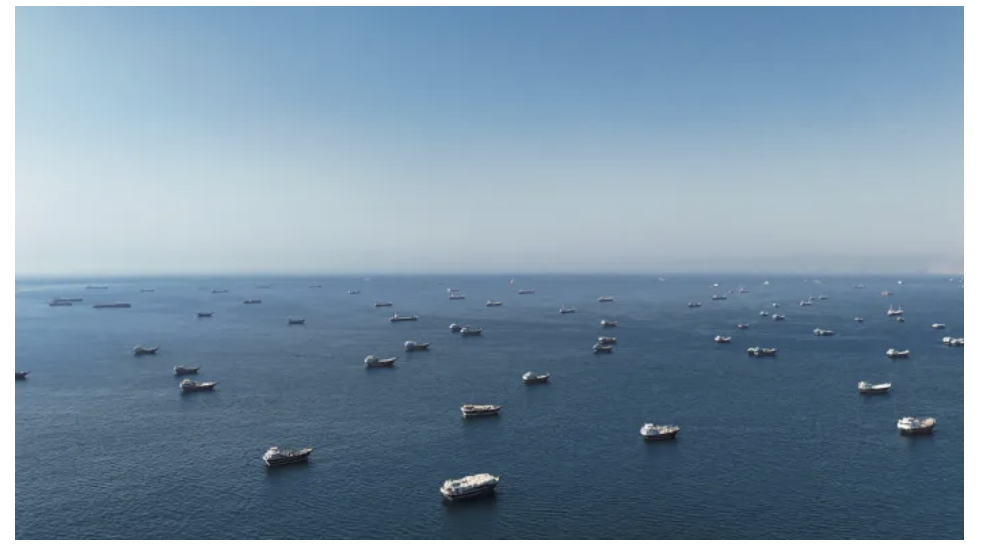
All shipping stocks jumped together, but this one doesn't quite fit
Looking at what rallied today, Heung-A Shipping hit the daily upper limit, and HMM, Pan Ocean, Korea Line, and KSS Shipping all rose together. It's not that one index moved dramatically—the entire shipping sector is marching to the same beat: Middle East risk. This is a sector-wide reaction, not individual company news.
Here's the thing: STX Green Logistics is a bulk carrier shipping coal, iron ore, and grains—not a tanker hauling crude oil, and its routes don't even overlap the Middle East straits. Yet money poured in on nothing but the 'shipping stock' label. The company's earnings didn't change, its contracts didn't change—it just rode the theme. We need to dig into this.
So what's the company actually doing?
Looking at Q2 2026 (April–June) preliminary results: 29.7 billion won in revenue, -200 million won in operating profit. Operating margin of -0.7%. You could say they're basically flat-lining just below break-even. Not a massive loss, but not profitable either.
Here's what's odd, though: operating profit is negative, but net income came in at 26.3 billion won in the black. That means the money didn't come from operations—it came from somewhere else. I can't pinpoint the exact line item from what I'm seeing here, but whether it's asset sales or equity cleanup, it smells like a one-time gain. I won't say for sure, but the odds lean that way.
Zoom out to the full year and it gets heavier. For 2025: 191.4 billion won in annual revenue, -12.5 billion won in operating profit—a 274.3% year-over-year widening of the loss. This company was spun out of the old STX's shipping and logistics division through a court-ordered restructuring the board approved last March, and it hasn't climbed into stable profitability yet.
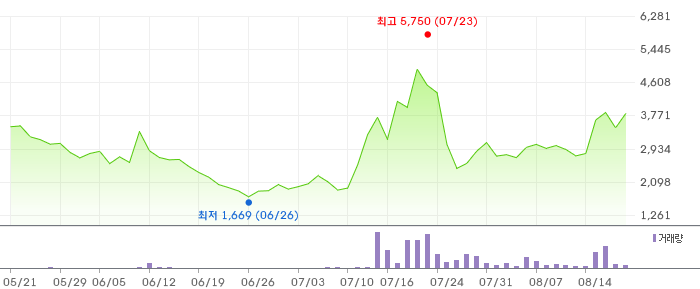
This isn't just today—it's been going on since May
This stock's first reaction to Middle East headlines wasn't today. June 11th hit the daily limit on Hormuz blockade fears, July 14th notched a second day at the limit, July 21st shot up 17% on Houthi Red Sea threats—same pattern over and over this year. Every time news dropped from the Middle East, the stock spiked. Then when the heat died down, it slid back. Rinse, repeat.
Back in May, foreign investors bought for five straight days and drove a 4% rally. The direction shifts, but one thing stays constant: it's never about company news. It's always the market getting shaken by geopolitical headlines from outside.
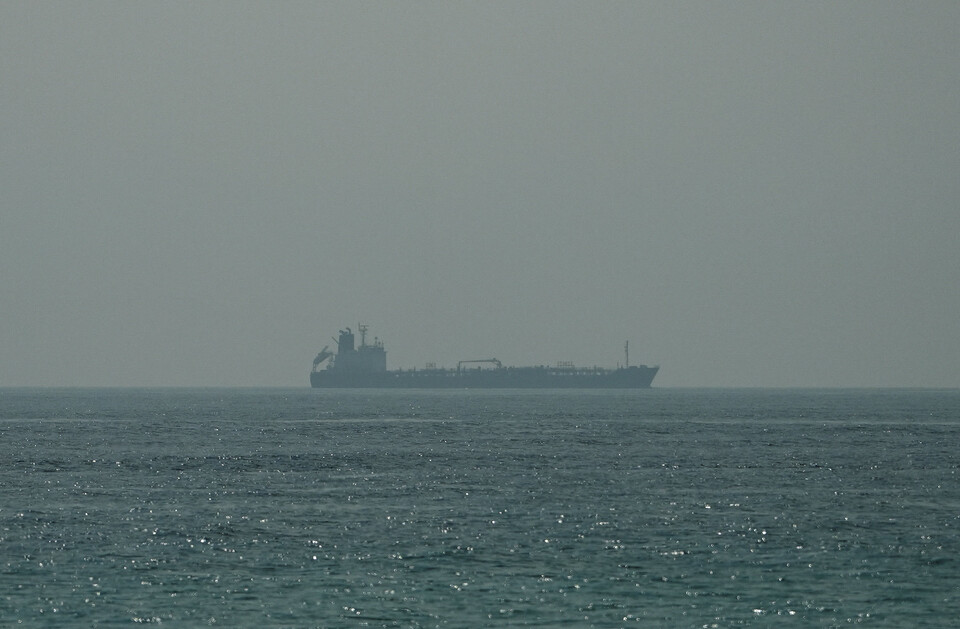
How long does this last?
It's a small-cap in the 30 billion won range by market cap. Light trading volume means any headline can throw it around. Current PER is negative. With last year's annual loss still dragging on, traditional valuation metrics don't even apply right now.
Nobody knows if the Houthi blockade turns into actual Saudi port closures or stays talk. If the blockade does happen and drags on, bulk freight rates could feel the ripple effect. On the flip side, if tensions cool in a few days, today's gains could just as easily reverse. Based on the pattern we've seen all year, I'd weight the second scenario heavier.
So where does this stock stand?
The company's fundamentals didn't improve—the whole sector just got grouped into a Middle East geopolitics theme. Operating profit is still in the red, and the net income gain looks like it's buoyed by a one-time item, so taking it at face value isn't easy.
There's one thing to watch: whether the Houthi blockade threat turns into real action (ship attacks, port closures). If it does, the rally has fuel to keep going. If it stays just talk, we'll see the reversal play out like we have before.
Lost count how many times this year. I bet I'm not the only one who opens this chart whenever a headline blinks from the Middle East. This piece is for information only and doesn't recommend buying or selling.
#STXGreenLogistics #465770 #HotStock #ShippingStock #BulkCarrier #HormuzStrait #Houthis #SaudiArabia #MiddleEastRisk #ShippingRates #HeungAShipping #HMM #PanOcean #KoreaLine #KSSShipping #Spinoff #SmallCap #ThemeStock #Stocks #Spikers #InvestmentInfo
댓글
댓글 쓰기