Marvell Technology (MRVL) shares fell -8.18% on August 28, trading near $221.71. A semiconductor giant shedding more than 8% in a day typically signals a major setback. Yet the earnings report delivered the previous day was the strongest in company history. The contradiction demands explanation.
By the numbers, nothing adds up. Let's break down the paradox.
What happened at Marvell
On August 27, Marvell reported fiscal Q2 2027 results. Revenue climbed 37% year-over-year to $2.7393 billion, a company record. The data center segment, which accounts for 79% of total revenue, surged 46% to $2.17 billion.
Guidance also beat expectations. The company raised Q3 revenue guidance to $3.15 billion (±5%) and lifted full-year FY2027 revenue guidance to approximately $12 billion—above consensus forecasts. By conventional metrics, this should have been a bullish catalyst. Instead, the stock moved in the opposite direction.
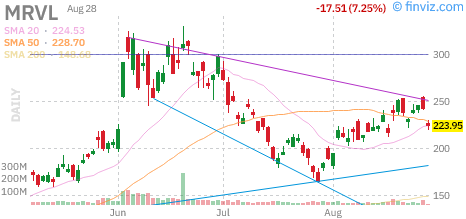
Record earnings, but the market wanted more
After-hours trading saw Marvell decline 5.76% to $227.54. When the regular session opened, the selling intensified, widening the decline to -8.18%. The issue wasn't the earnings themselves—it was the gap between market expectations and what the company delivered.
Start with margins. Non-GAAP gross margin stood at 58.9% in Q2, but the company guided to 57.5–58.5% for Q3. This compression reflects a structural shift: as custom AI chips represent a larger portion of the revenue mix, gross margins shrink. Growing top-line revenue while accepting lower profitability on each dollar is not what investors expected to see.
There was also an expectations problem. After announcing a major Google contract earlier this month, the stock had already run up significantly. The market was looking for a blockbuster long-term revenue forecast in this earnings call. Instead, Marvell delivered solid but measured guidance—good numbers, but not the knockout punch investors had anticipated.
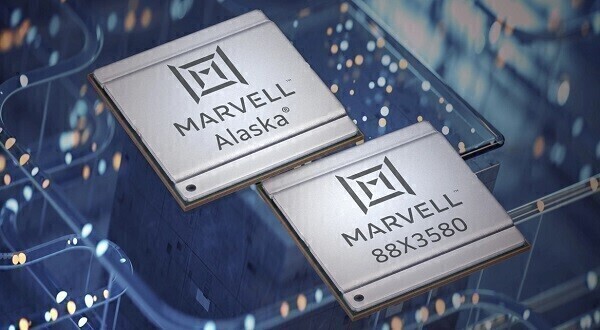
Do the Google and Nvidia deals move the needle
Marvell recently issued Google a warrant to purchase 58.97 million shares at $206.58 per share—worth $11.8 billion if fully exercised. The company indicated this partnership could generate up to $120 billion in revenue through fiscal 2033. Separately, Nvidia has invested $2 billion in Marvell, broadening collaboration on the NVLink Fusion ecosystem.
Both partnerships point in the right direction. When hyperscalers like Google and Nvidia commit capital and tie their own success to a supplier's growth, it validates that supplier's role in the custom AI chip market. But timing matters. CEO Sonu Mehta indicated that Google-related revenue will become material starting in fiscal 2029. In other words, these are not near-term revenue drivers. They are strategically significant—but too far out to support the stock's current valuation in the near term.
P/E at 84x—expensive or justified
Marvell has surged more than 220% over the past year, at one point trading at a P/E above 84x. Today's selloff has lowered that multiple, though it still hovers in the upper 70s. Trailing twelve-month revenue growth stands at 30.6%—undeniable momentum. The real question is how much of that future growth was already priced in before today's decline.
| Metric | Q2 (Reported) | Q3 (Guided) |
|---|---|---|
| Revenue | $2.74B (+37%) | $3.15B ±5% |
| Data center revenue | $2.17B (+46%) | Not separately guided |
| Non-GAAP gross margin | 58.9% | 57.5–58.5% |
The consensus analyst price target averages $276.36, with a Strong Buy rating assigned across the sell-side. That implies meaningful upside from today's price. Analysts are not marking Marvell as overvalued. Nor does an 84x P/E suggest the stock is a bargain. Both statements can be true simultaneously.

Where Marvell stands now
The earnings are undeniably strong. Revenue and profit both expanded, guidance was raised. The problem is straightforward: the stock had already priced in much of that good news. Today's decline is less about the company deteriorating and more about expectations that had gotten ahead of fundamentals.
Whether this pullback lasts days or weeks remains unclear. One set of numbers will tell the story: when Q3 results arrive, watch whether gross margin actually lands in the 57.5–58.5% range, and whether Marvell begins reporting measurable revenue from the Google and Nvidia partnerships. Until those metrics confirm the forward narrative, today's selloff and any subsequent rebound are premature conclusions.
Marvell is a U.S.-listed company. This is factual analysis, not a buy or sell recommendation. Investment decisions and outcomes rest with the reader.
#Marvell #MRVL #MarvellTechnology #semiconductors #AI #datacenter #NASDAQ #Google #Nvidia #customchips #earnings #technology
댓글
댓글 쓰기