[Featured Stock] Hantop's Stock Price: The Real Intention Behind 3.3 Billion Won on its Second Consecutive Limit-Up Day
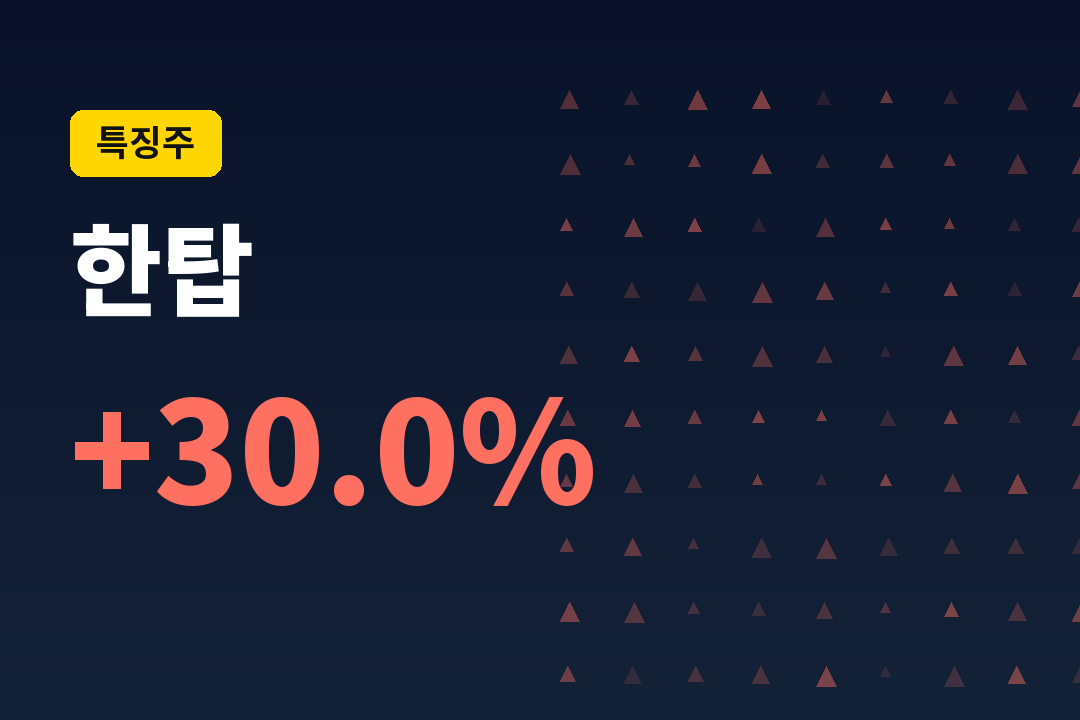
Hantop's stock price is showing unusual signs. On the morning of the 12th, Hantop went straight to the daily limit-up at 2,795 won, up 30.00% from the previous day. On the 11th, it surged 29.99% and closed at the daily limit-up, so that's two consecutive trading days at the limit-up. The stock rose by nearly 70% in just two days, but at the same time, the KOSDAQ index was down over 1%. The market itself isn't moving—something's happening with Hantop specifically.
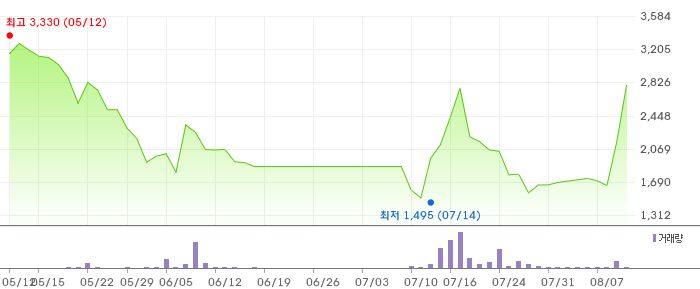
Back-to-back limit-ups. What's going on?
The trigger was a single disclosure. Ryu Ji-hoon, the largest shareholder and CEO of Hantop, filed a trading plan notification to purchase 2 million shares directly on the market. The purchase period runs for one month from September 11th to October 10th, with a planned amount of approximately 3.3 billion won. The company said, "We determined that the recent stock price has fallen excessively compared to the company's intrinsic value, and decided to purchase shares to enhance shareholder and enterprise value."
2 million shares represent approximately 6% of Hantop's listed shares (roughly 32.32 million shares). An owner throwing down the gauntlet to buy another 6% of company equity with his own money over the course of a month isn't exactly lip service. The market interpreted this signal as "the company itself acknowledged undervaluation" and showered the stock with buying pressure for two straight days.
The Index Is Falling, But Hantop Is Rising
On the 12th, the KOSDAQ index fell over 1% shortly after opening, while the KOSPI rose about 1% at the same time—it was a volatile day for the indices themselves. But either way, neither explains Hantop's +30%. It's a textbook case of individual stock surge driven by company-specific news, unrelated to the broader index. There's no word of competing feed mill and grain companies rising together on the same day. The owner's single purchasing disclosure pushed this micro-cap stock up nearly double in two days.
So what exactly is Hantop?
Hantop is a grain mill and feed blending company founded in 1959 and based in Busan. It imports wheat from the U.S., Canada, and Australia to produce strong flour, medium flour, and soft flour that it supplies to noodle and bakery companies, while also blending corn, soybean meal and other ingredients to produce livestock feed. It's known by the 'Sunflower Mark' brand. Both businesses depend entirely on imports of raw materials, so earnings are vulnerable to exchange rates and global grain price movements, but the demand itself is relatively stable since these are essential commodities.
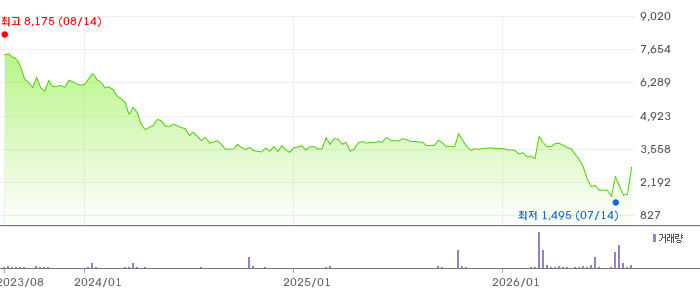
Is Performance Really Improving?
2025 annual revenue came to 82.4 billion won, down from the prior year, but operating profit hit 2.9 billion won. The company has posted four consecutive years of operating profit since 2022, and in 2025, it swung to net profit as well. Based on the third quarter consolidated results, net income was around 1.57 billion won. It's not a company experiencing explosive growth, but the trajectory itself—moving from losses to building a healthier business—is on track. At current prices, the PER sits in the 6x range, lower than the KOSDAQ average. The owner's claim of "undervaluation" isn't entirely without merit.
Still, a lingering concern: governance
That said, Hantop carries old governance risk. Founder and Chairman Ryu Won-gi, the founding chairman, was convicted at the Supreme Court of embezzling 6.3 billion won in company funds. Despite this, he was appointed as an inside director at the 2024 regular shareholders meeting and returned to day-to-day management as a full-time chairman. Meanwhile, Ryu Ji-hoon, the largest shareholder with a 37%-plus stake, remains an unregistered executive and doesn't participate on the board. The structure creates a disconnect between equity stakes and management control, and the fact that all 21 agenda items presented to the board over the past two years passed as written raises questions about its check mechanisms. The owner signaling a willingness to buy more equity is positive, but the governance structure doing the signaling still warrants conservative scrutiny.
So where does that leave Hantop right now?
Hantop's stock has soared nearly 70% in two days on a single signal: "the owner acknowledged undervaluation and opened his wallet." The 6x PER, four consecutive years of operating profit, and swing to net profit all lend credibility to that signal. But you need to be sober about two things: significant appreciation has already been priced in, and the 3.3 billion won purchase doesn't actually start until September 11th, so real money hasn't entered the picture yet. There's one thing to watch: starting September 11th, will the owner actually follow through and buy the announced volume and amount, or will this be all talk? The gap between the owner's words and actual behavior will determine where the stock goes next. Like most micro-caps, volatility runs high, so it's the kind of stock worth verifying the numbers yourself and making your own judgment.
#Hantop #HantopStock #002680 #LimitUp #FeaturedStock #KOSDAQ #LargestShareholderPurchase #DirectPurchase #RyuJiHoon #RyuWonGi #GrainMill #FeedStock #SunflowerMark #UndervaluedStock #MicroCap #OwnerPurchase #ShareholderValueEnhancement #GovernanceRisk #ProfitSwing #KOSDAQStock
댓글
댓글 쓰기