[Market Mover] Kumho Electric's Stock Soars for Three Days Straight—What's the Connection to Semiconductors?
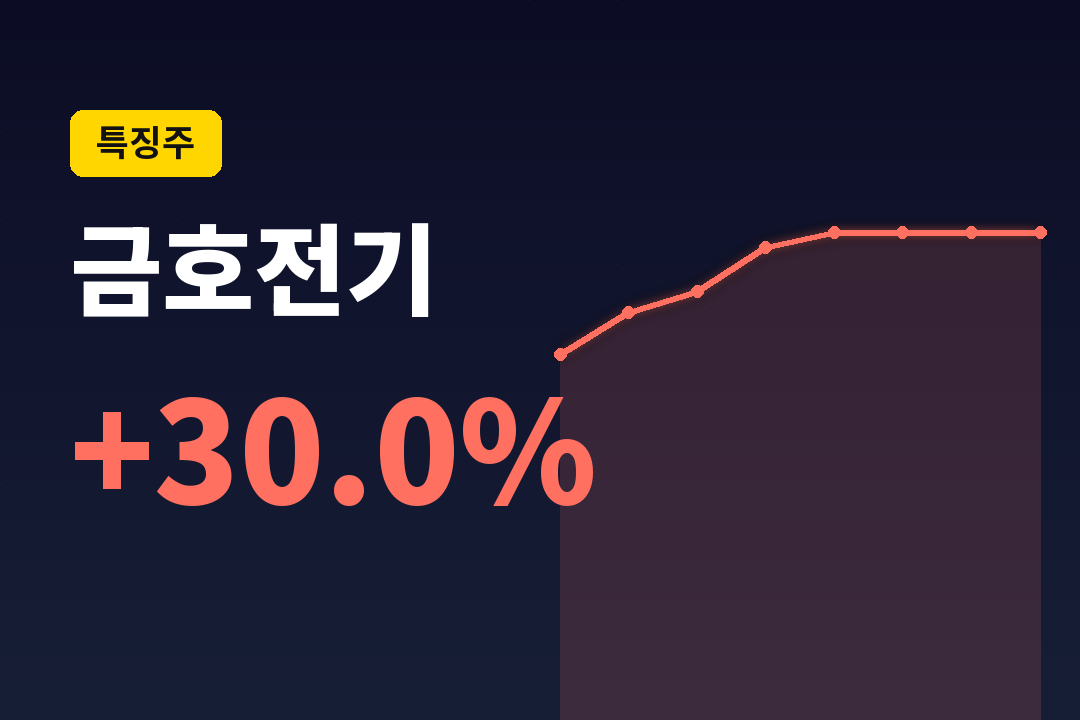
Kumho Electric's stock hit the daily limit once again this morning on the 13th. It's trading near 6,890 won, up 30% from the previous trading day—that's four consecutive days at the daily limit since August 11th. From 4,080 won → 5,300 won → 6,890 won: the price nearly doubled in just two days.
The KOSPI had a scorching day today, buoyed by easing concerns about US rate hikes and high expectations for AI infrastructure investment. Yes, the index itself soared to 4% during the session. But when the KOSPI climbs 4% while Kumho Electric jumps 30%, that's not just following the market—this stock has its own story unfolding.
So What Does Kumho Electric Actually Do?
Founded in 1935, it's Korea's longest-running lighting company, known for the "Bungae" brand and making fluorescent lamps and LED fixtures. It has absolutely no connection to semiconductors or advanced materials—just a straightforward bulb and lighting fixture manufacturer. With 2025 annual revenues of 44.3 billion won and operating losses of 1.2 billion won, it's running in the red. Even after all these limit-ups, its market cap is only around 70 billion won—a genuine microcap.
The Real Story: The 'Honam Semiconductor Cluster' and a Name
This rally started with the government's national balanced-growth megaproject. Word broke that a second semiconductor cluster in the Honam region—involving Samsung Electronics and SK Hynix—was under review, and Gwangju's 2.5 million-pyeong military airport site was being discussed as a candidate for national industrial complex status. Related stocks exploded across the board.
But the one that caught the wave first was Kumho E&C, a Gwangju-based construction firm. It also hit the daily limit several times over the same stretch. The problem? Kumho Electric. This is a lighting manufacturer headquartered in Seoul—it has zero ownership ties to Kumho E&C and no major production base in Gwangju. It got swept into the same theme for one reason alone: the name "Kumho." The market itself is already asking: "How is a lighting company a semiconductor story?"

This Happened Before: A Pattern We've Seen
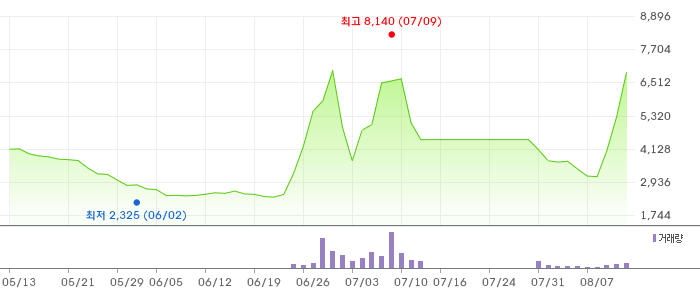
Truth is, this stock's second go-round with a "name-driven rally." On June 29th, it hit a 29.94% daily limit on the same theme, then another two consecutive limits in early July. Back then, the Korea Exchange flagged Kumho Electric as a warning stock due to unusual price surges, even posting notice of a potential trading suspension. After that rally burned out, the stock drifted back down toward where it started.
This time, the same catalyst has fired up again. The only real difference is that the KOSPI itself is on an absolute tear today—up 4%—layering risk-on appetite on top of it all. But the company's fundamentals? They haven't budged. Still a money-losing lighting firm, and the semiconductor cluster is nowhere near actual construction contracts or purchase orders.
Why Rallies Disconnected from Business Reality Are Dangerous
Just because a theme is attached to a stock doesn't mean the company actually gets new revenue or contracts. Kumho Electric's lighting business has zero confirmed contracts, zero supply-chain connection to this semiconductor cluster project. Translation: today's jump is purely theme-driven buying and selling—it's not earned by actual business.
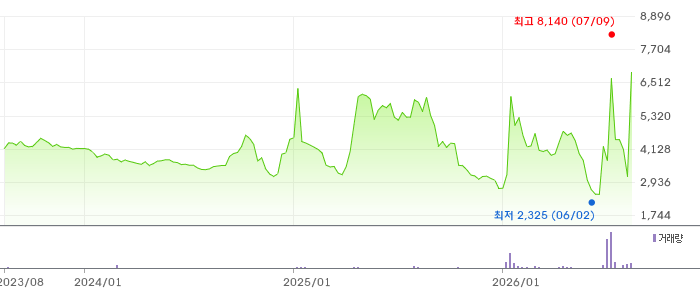
This structure works both ways: when the theme cools, the drop is equally sharp. We have precedent—after the June-July rally, the stock gave back all those gains and retreated to pre-limit levels. The same pattern could easily play out again. Also worth remembering: the exchange has already tagged this stock as a warning stock once before.
Bottom Line: Where Does This Stock Go From Here?
Kumho Electric's spike is theme-driven supply-demand, not business fundamentals. Sure, the broader market had a strong day, but the gap between the KOSPI's 4% gain and this stock's 30% jump is way too wide to chalk up to market participation—this is individual theme activity through and through.
One thing to keep your eye on: whether the Korea Exchange issues a warning or trading suspension notice this time, and whether there's any real buying pressure left when it does. Given that we saw pullbacks after the June-July rally, whether this 30% gain holds into next week depends on market psychology, not the company's business. A lighting company dancing to semiconductor headlines—that's really all you need to know about what's driving this move.
This article is provided for informational purposes to help inform investment decisions and does not recommend buying or selling any specific stock.
#KumhoElectric #001210 #KumhoElectricStock #HonamSemiconductorCluster #KumhoEC #ThemeStock #DailyLimit #MarketMover #Bungae #LightingStock #KOSPI #WarningStock #SkyrocketingStock #SemiconductorCluster #Gwangju #SamsungElectronics #SKHynix #StockInvesting #DomesticStocks #DayTradingRisk
댓글
댓글 쓰기