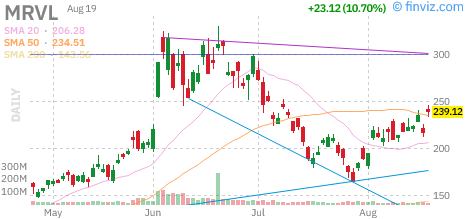
Marvell stock (MRVL) is up 10.77% today, trading around $239.27—a double-digit pop that stands out against a quiet day in semiconductors overall. The reason is straightforward: this morning, Marvell filed that Google just received warrants to purchase—not $122 million in company stock, but a whopping $12.2 billion worth. And that's why the market is celebrating.
What exactly happened?
Back on July 29th, Marvell and Google signed a commercial agreement to jointly develop custom chips. Then on August 18th, Marvell filed an 8-K disclosing that it issued Google warrants to purchase up to 58.97 million shares at $206.58 per share—totaling $12.2 billion if fully exercised. The news hit like a spark: Marvell jumped double digits in premarket trading and kept the momentum rolling through the regular session.
But here's the kicker—Google won't exercise all those warrants at once. In year one, only about 1.36 million shares will vest equally each quarter. The rest unlock starting in fiscal 2027 Q3 through 2033, but only as Marvell hits cumulative custom chip sales milestones of $500 million each—and even then, it comes in 240 equal tranches. Translation: Google has to actually buy and use Marvell's chips for these warrants to cash in. It's a performance-linked incentive structure.
Why is this bullish? Isn't this good for Google, not Marvell shareholders?
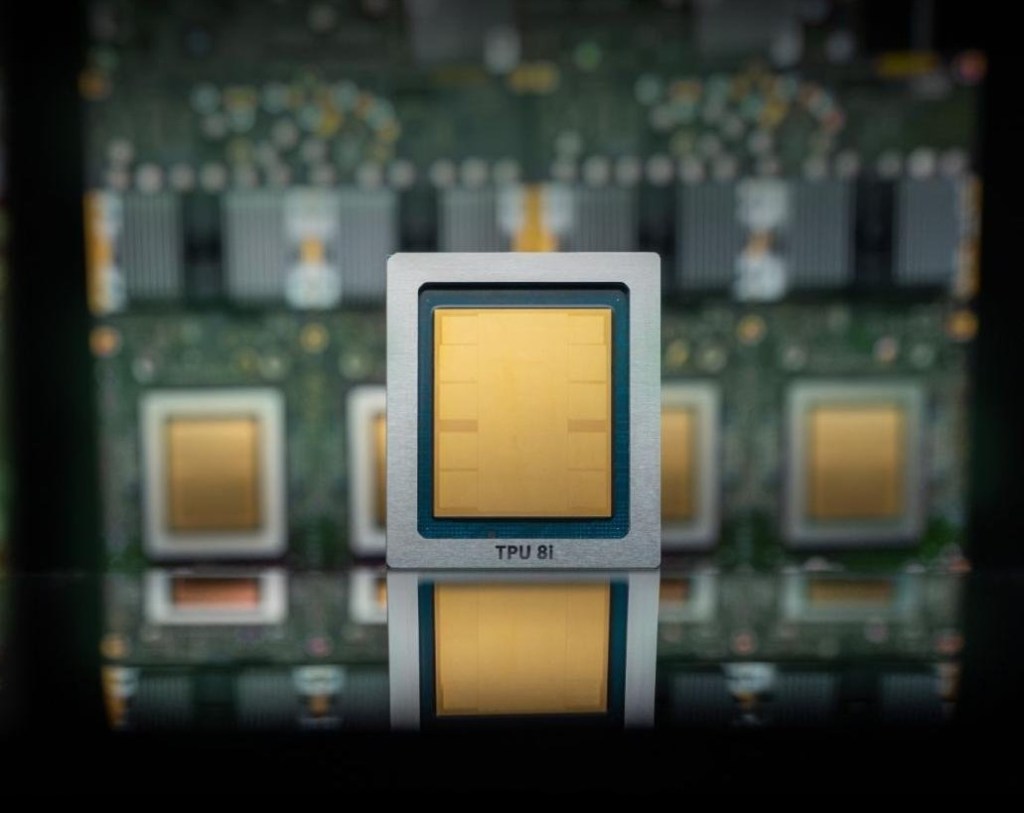
On the surface, you'd think Marvell shareholders should worry about dilution—Google getting cheap call options on the stock. But the market saw it completely differently. The deal's scope is the crucial part: Marvell will now supply chips across Google's entire TPU ecosystem—AI inference accelerators, storage controllers, network interface controllers, memory interface controllers, and proximity computing memory. That's a big partnership tier.
Google's been developing custom AI chips mainly with Broadcom until now. With Marvell officially joining as the third design partner, the warrant structure itself—"vesting only when you buy $500 million in actual chips"—reads as Google committing to sustained purchasing power over years. In other words, Marvell is giving up some equity in exchange for essentially locking in a major customer's pipeline for the next several years.
This is actually Marvell's second surge this month
Marvell already jumped on August 4th when it unveiled a whole new product family for AI memory infrastructure—the Bravera SC6 PCIe 6.0 SSD controller, the Structera X CXL memory expansion platform, and the Photonic Fabric optical shared memory solution. That jump was about 14%. Today's Google warrant news is basically the second wave on top of that momentum.
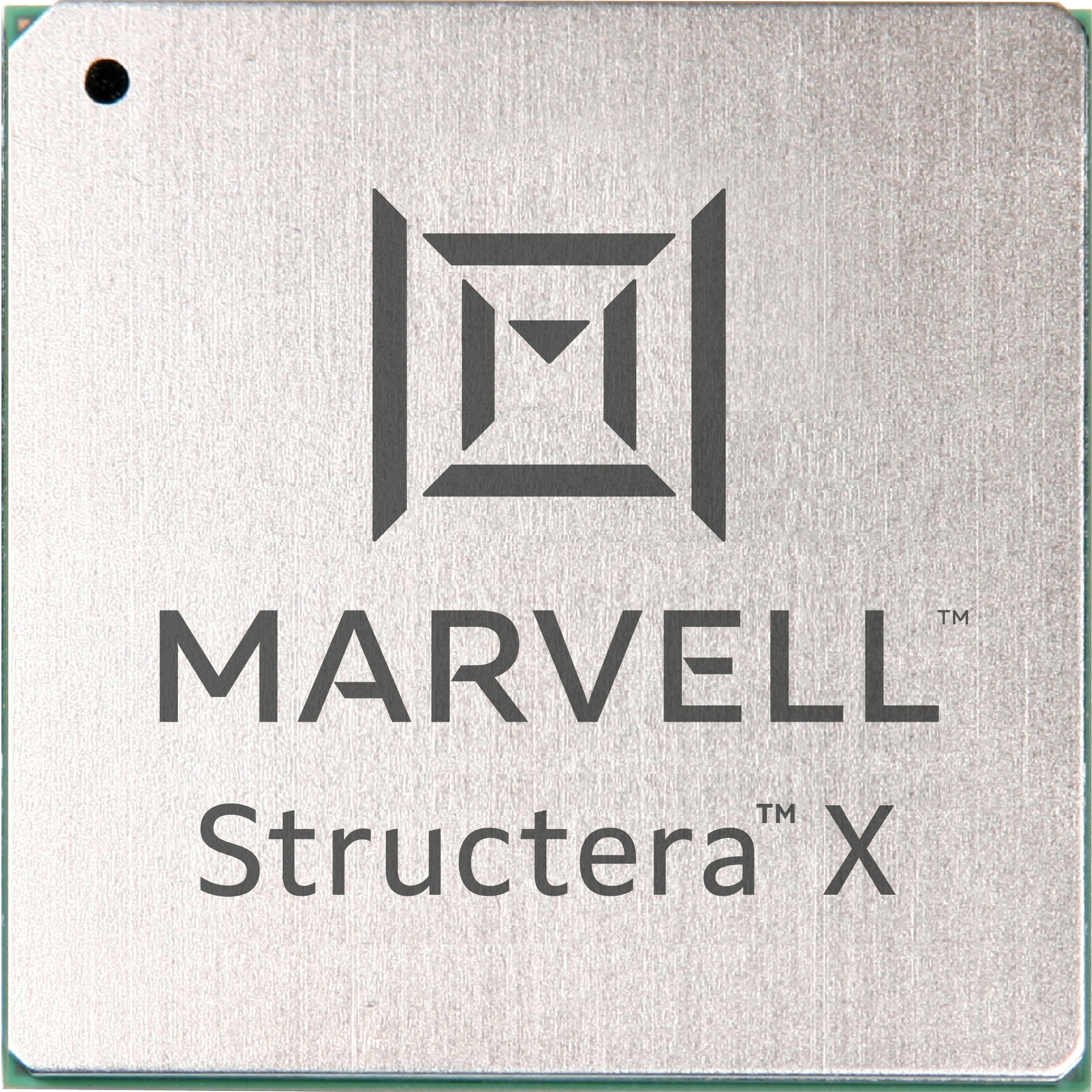
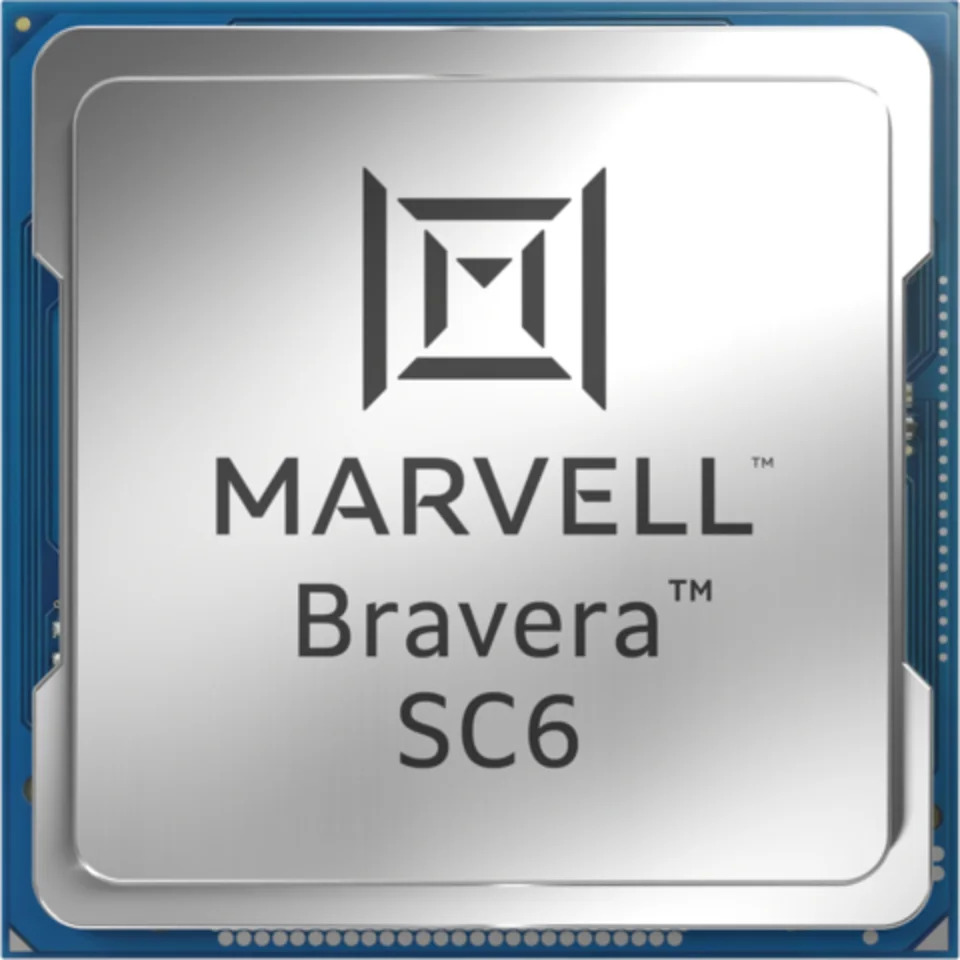
These products target a real pain point: as LLMs get bigger, memory bandwidth becomes the bottleneck. The timing is interesting—new AI infrastructure products in one month, a strategic Google partnership the next. The market narrative is basically writing itself: "Marvell is becoming essential infrastructure for AI." That said, it's more accurate to see this as a series of positive catalysts layering on top of each other, triggering a valuation re-rating, rather than any single event driving the price alone.
Valuation is not cheap anymore
The problem is the price tag. After today's surge, Marvell's P/E ratio has climbed past 80x, and its price-to-sales ratio is around 23x by some accounts. At those levels, you're essentially pricing in growth several years out already. Analyst sentiment is mixed.
| Firm | Rating | Price Target |
|---|---|---|
| UBS | Buy | $300 |
| Goldman Sachs | Neutral | $195 |
One thinks there's upside from here; the other sees the stock as fairly valued at current levels. Both targets are around or slightly above today's $239 neighborhood, which suggests the consensus view hasn't swung to "it's had a great run, time to sell" just yet.
Where are the risks?
· Valuation pressure — An 80x P/E means even a modest earnings miss could trigger sharp drawdowns.
· Warrant dilution — If Google actually starts exercising warrants, share count grows over the long term.
· Customer concentration — Marvell relies heavily on hyperscalers like Google and Amazon, so if they accelerate in-house chip development, earnings could suffer.
· Earnings just around the corner — Quarterly results are due August 27th; the numbers need to back up this Google partnership narrative, or the story unravels.
· Competitive dynamics — Broadcom remains Google's top custom chip partner, so Marvell's slice could grow slower than hoped.
So, what's the takeaway?
Marvell is right now in a moment of confirming a new position: "third big tech partner for AI infrastructure." Since the warrant structure ties directly to actual sales volume, today's surge isn't just a news-driven pop—it's the market pricing in what could be years of order intake upfront.
There's one key thing to watch: on August 27th, when Marvell reports quarterly results, will the custom chip and AI revenue guidance get raised enough to justify this price action? If the numbers don't back it up, that 80x P/E turns into a risk overnight. But if they do, the market will finally understand why Google is betting $12.2 billion on this partnership.
This covers a US-listed stock and is analysis, not investment advice. Trading decisions and outcomes are your own responsibility.
#Marvell #MRVL #MarvellStock #USStocks #USMarkets #Nasdaq #AISemiconductors #SemiconductorStocks #Google #TPU #CustomChips #Warrants #Semiconductors #AIInfrastructure #Datacenters #Cloud #Hyperscalers #Bravera #Structera #EarningsReport
댓글
댓글 쓰기