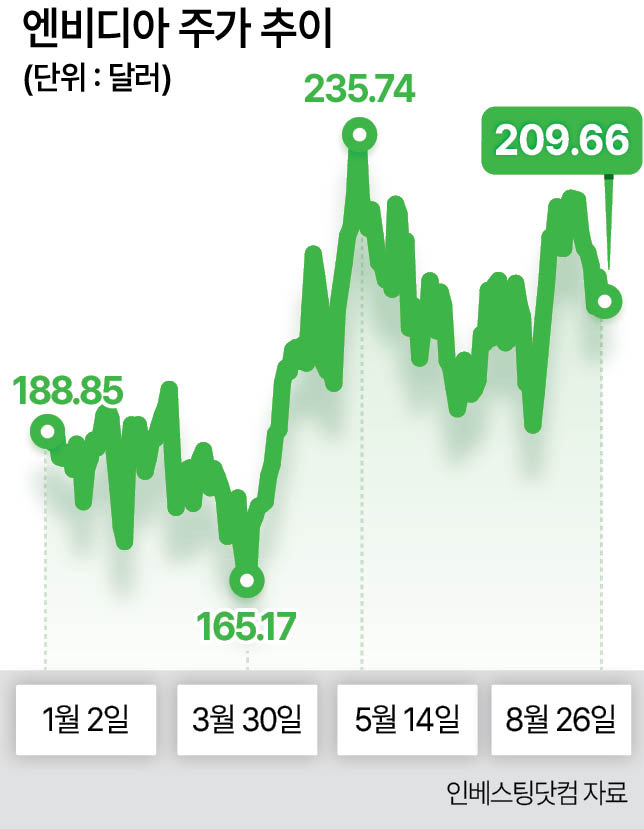
Nvidia shares traded near $218.40 on August 29, down -4.20% during intraday U.S. trading. Just two days after reporting record quarterly revenue and surging 8% in a single session, the stock is giving back those gains.
The earnings itself was pristine. So why did the stock slide again? The answer lies not in the results, but in separate news that broke in the intervening days.
Earnings were record-setting
Fiscal 2025 second-quarter revenue, announced August 26, reached $96.2 billion—up 106% year-over-year. Data center revenue more than doubled and drove the bulk of growth across the company.
CEO Jensen Huang declared that "AI has reached an inflection point," adding that "compute is now revenue." Third-quarter revenue guidance came in at $108 billion (±2%). Among S&P 500 companies, only nine have ever reported quarterly revenue exceeding $100 billion—Nvidia now stands alone in that bracket.
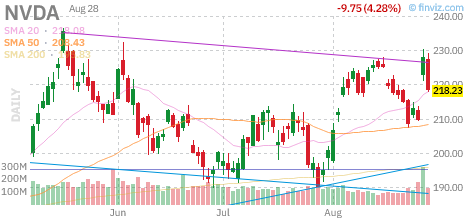
The next day, shares rallied over 8%. That move lasted only two sessions.
What went wrong
The Wall Street Journal reported that Nvidia has suspended portions of its "AI Compute Partnership" program—an initiative in which the company provided capital for AI cloud operators to build infrastructure. Under the original structure, Nvidia and cloud partners agreed on a baseline hourly rate, with Nvidia capturing half of all revenues above that threshold.
The issue runs deeper than one program. A chip manufacturer simultaneously serving as investor and funding source to its own customers raises structural concerns. Market observers have labeled this dynamic "circular finance." The worry: revenue appears to grow, but in reality, capital Nvidia advances cycles back into Nvidia's own sales. Goldman Sachs and investor Michael Burry have raised similar concerns publicly.
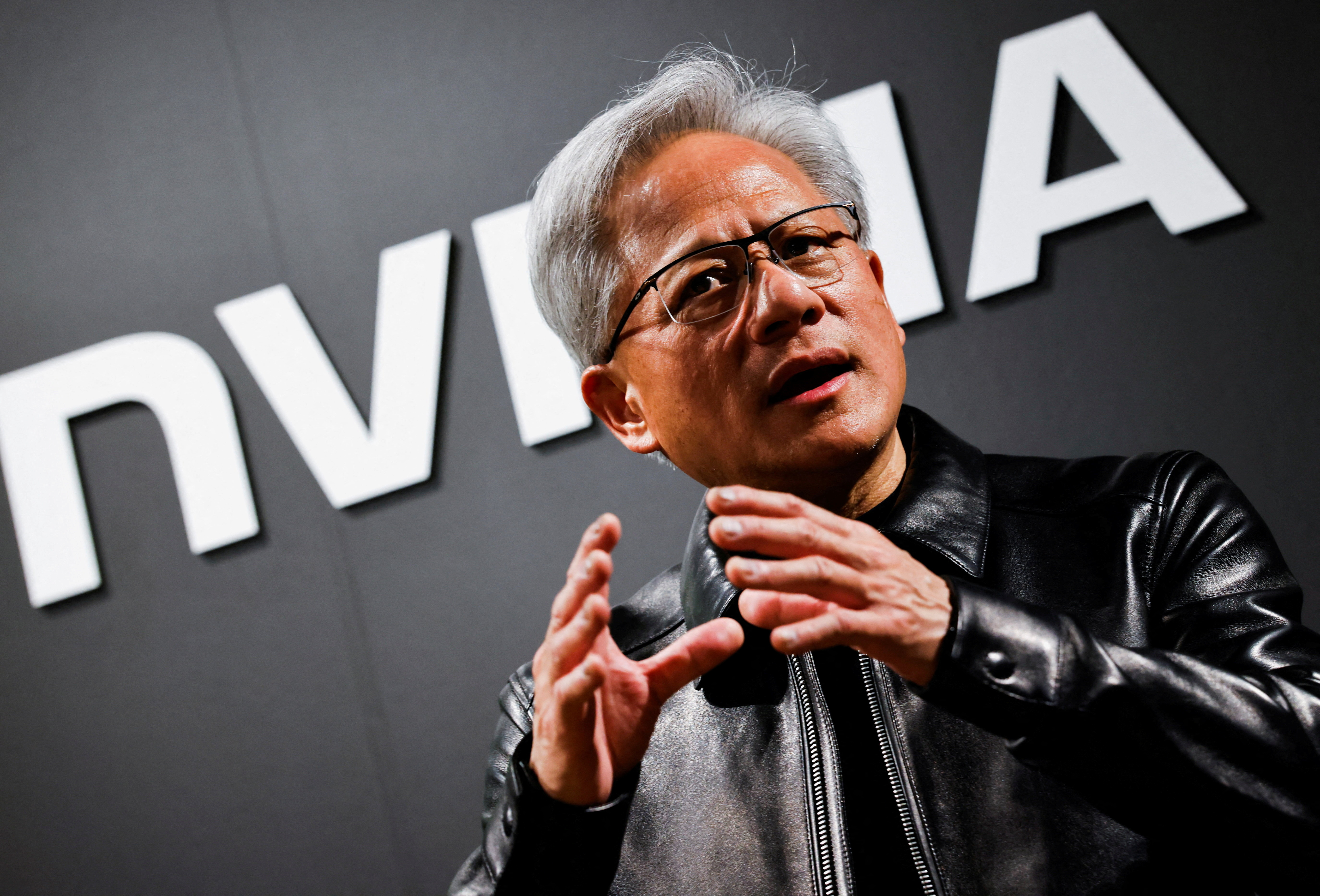
The reporting's core finding: Nvidia's own employees flagged concern that the program could trigger regulatory investigation. The company applied its own brakes, which explains why markets reacted sharply.
Amazon ordered more GPUs the same day
On the same day, Amazon announced plans to acquire an additional 2 million Nvidia GPUs. Five months after committing to 1 million units in March, Amazon tripled its order volume. Underlying demand remains robust.
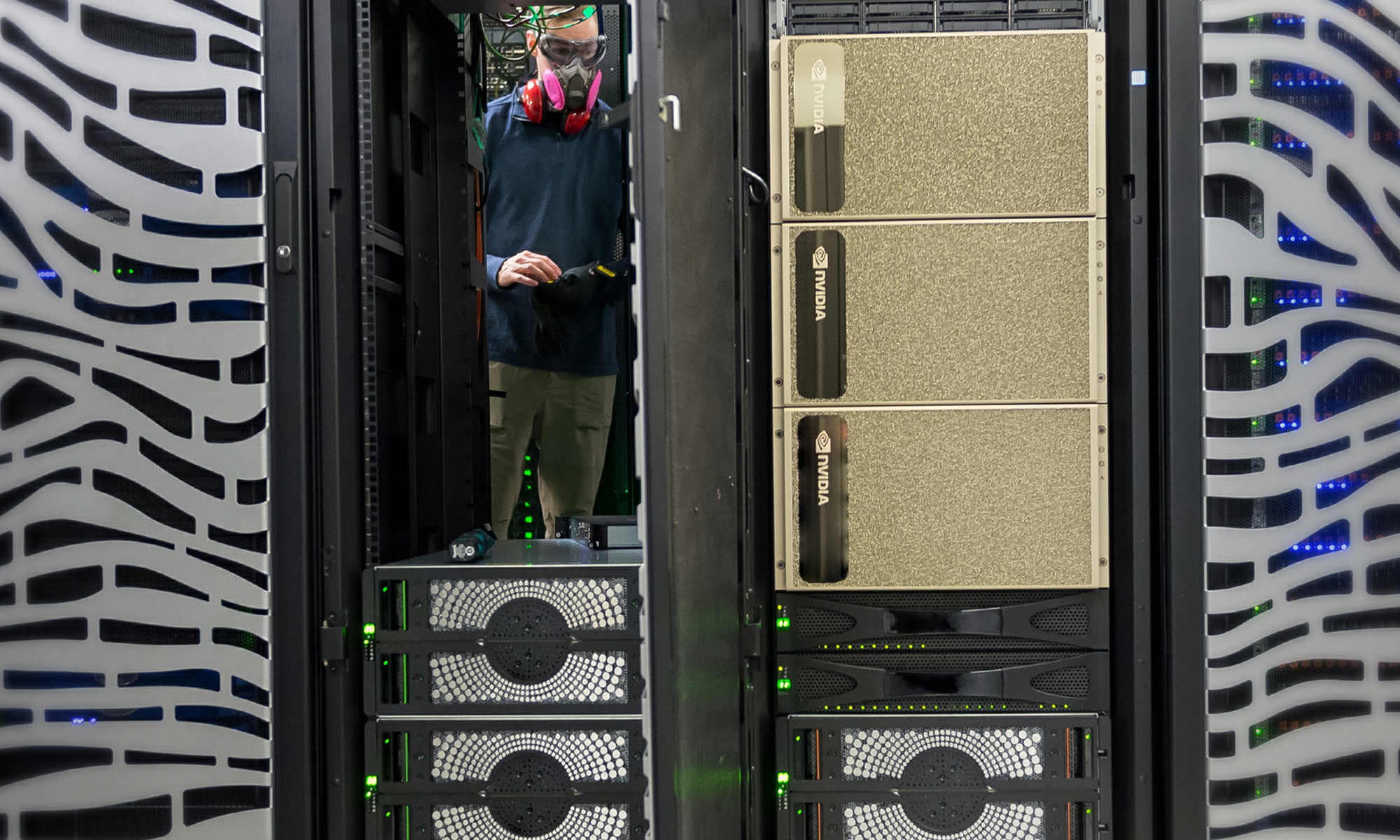
Yet the market read this news as negative. For Amazon, those 2 million units represent future cash outflow at a time when cash flow is already tight. A strong order became a balance-sheet burden for the customer. Here was a day when earnings surprised to the upside, orders accelerated, and the stock fell sharply—a disconnect between fundamentals and price movement.
So how does the valuation look
Sixty-one analysts tracked by S&P Global set an average price target of $323.42 with a "strong buy" rating. Even at today's price, that target sits above current levels. The persistence of that target despite today's decline suggests the selloff stems less from deteriorating fundamentals than from structural questions about how the business funds growth. Confidence in earnings power versus confidence in the financial machinery behind it—those two can diverge.
| Metric | Figure | Note |
|---|---|---|
| Q2 Revenue | $96.2 billion | +106% YoY |
| Q3 Revenue Guidance | $108 billion | ±2% |
| Analyst Average Target | $323.42 | S&P Global, 61 analysts |
So where does this stock stand
The earnings delivered no disappointment. What shifted is market skepticism around the financing mechanism itself—the way Nvidia deploys capital to fund customer infrastructure. Strong operations can sustain scrutiny over one cycle. But if questions about circular-finance structures persist, this becomes more than a one-time headwind.
The next inflection point is clear: whether Nvidia redefines or quietly discontinues the AI Compute Partnership program. If it fades away quietly, the market exhales. If it resurfaces under a new name, circular-finance skepticism will ignite again.
By the numbers, Nvidia remains the semiconductor industry's dominant revenue generator. Today, though, was a reminder that generating revenue and the structure through which that revenue flows are not the same conversation.
U.S.-listed company. This article presents factual analysis, not investment guidance. Investment decisions and outcomes rest with the reader.
#Nvidia #NVDA #NvidiaStock #USStocks #Nasdaq #Semiconductors #AIChips #JensenHuang #DataCenter #Amazon #AWS #CircularFinance #Antitrust #GPU #Blackwell #AIBubble #Earnings #USMarkets #TechStocks #BigTech
댓글
댓글 쓰기